
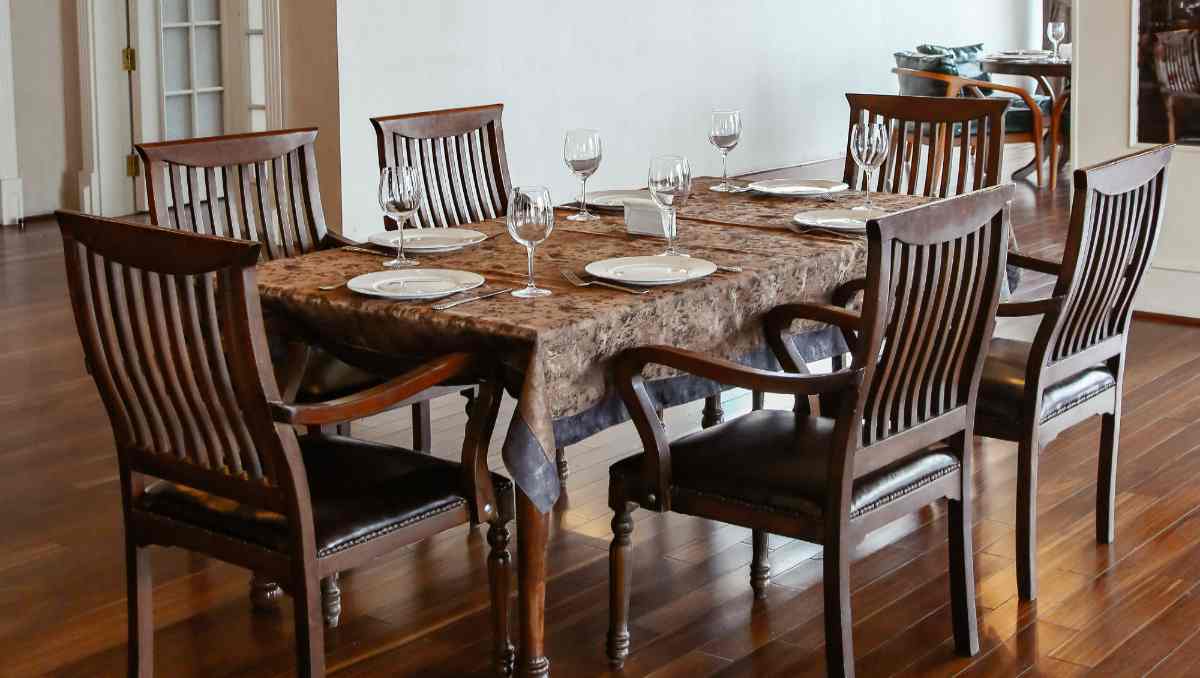
Walnut and mahogany are two of the most sought-after premium hardwoods used in fine furniture. Known for their strength, rich colors, and timeless appeal, these woods are commonly found in high-end tables, cabinets, bed frames, and custom-built pieces. While both are considered luxury materials, they differ in appearance, durability, cost, and how they age over time—making the comparison of walnut vs mahogany especially important when choosing furniture that will last for decades.
Key Takeaways:
- Walnut has cool brown tones and versatile grain for modern and contemporary furniture, while mahogany has warm reddish-brown hues for classic and traditional pieces.
- Walnut is strong and easy to work with, and mahogany is denser and ideal for long-lasting, detailed furniture.
- American walnut is widely available and sustainable, while genuine mahogany is limited and should be certified.
In this guide, we’ll break down the key differences between walnut vs mahogany, including appearance, durability, workability, maintenance, and sustainability. Whether you’re a homeowner furnishing a new space, a designer selecting materials, or a furniture enthusiast, this comparison will help you decide which wood best fits your style, needs, and long-term expectations.
What Is Walnut?
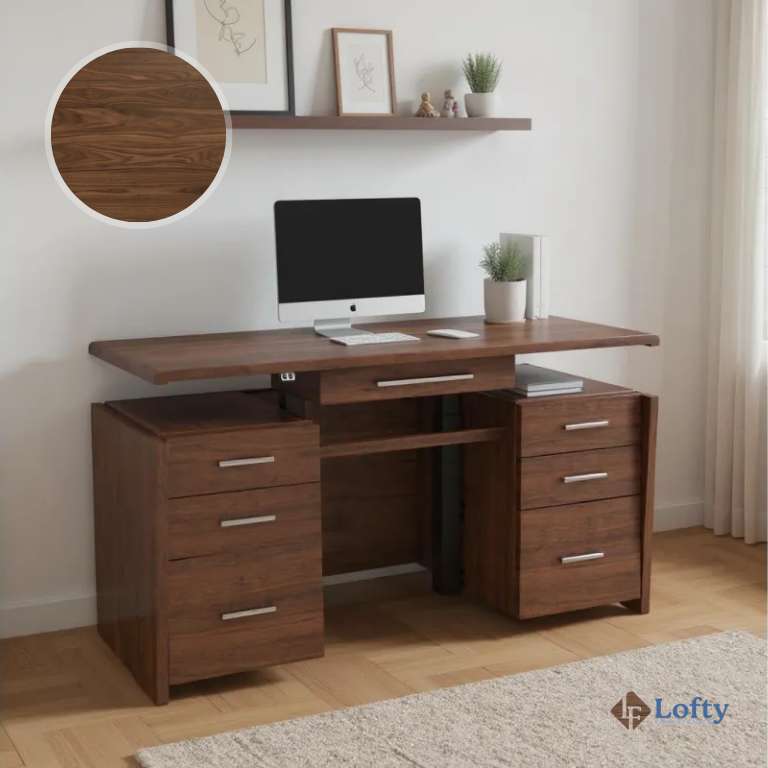
Walnut is a premium hardwood that comes from walnut trees found in North America, Europe, and parts of Asia, with American Black Walnut being the most popular choice for fine furniture. Grown mainly in the eastern United States, this dark wood type is prized for its deep, rich color, solid strength, and smooth, high-quality finish, which is why furniture makers use it so often.
Walnut typically ranges from chocolate brown to dark brown, sometimes with subtle gray or purplish tones, and its wood grain pattern can be straight, wavy, or even curly, giving every piece its own character. It has a medium hardness rating that makes it strong but still easy to work with, and its naturally smooth texture finishes beautifully, making walnut a standout option, especially when comparing walnut vs mahogany for modern, high-end furniture.
What Is Mahogany?
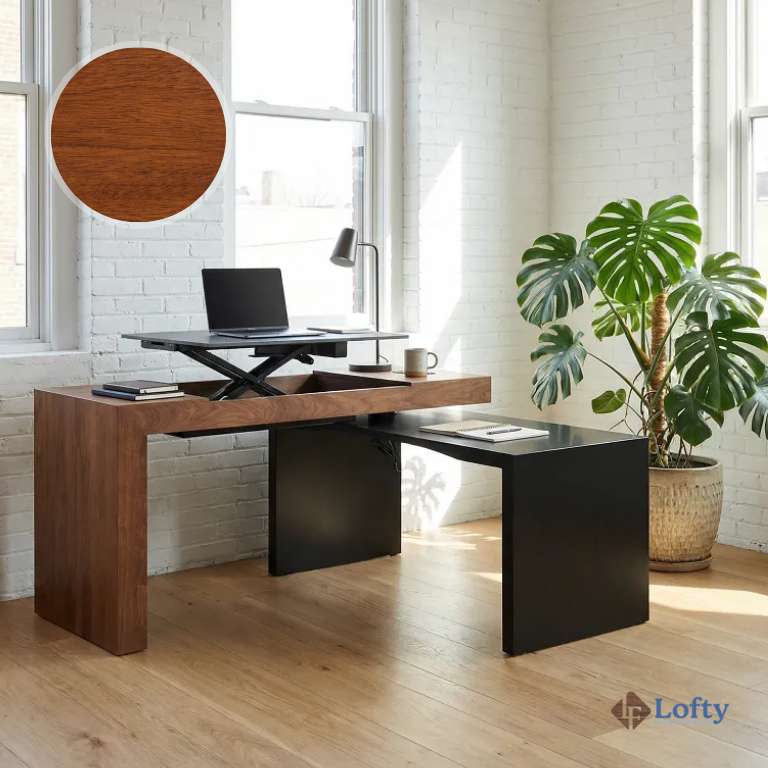
Mahogany is a classic hardwood that has been used in fine furniture for centuries. The most well-known type is genuine Honduran mahogany from Central and South America, prized for its quality and stability. Because supply is limited, other common alternatives include African mahogany and Sapele, which offer similar color and performance. These species are often used for furniture, cabinetry, musical instruments, and decorative woodwork, though availability can vary, making mahogany more regulated and sometimes harder to source than walnut.
Mahogany is known for its warm reddish-brown to deep brown tones that deepen with age, and its straight, uniform grain gives it a smooth, elegant look suited to traditional and classic styles. It has a medium-to-high density, making it strong, stable, and resistant to warping, and over time it develops a rich, glossy patina that adds to its beauty, which is why mahogany is often chosen for heirloom-quality furniture.
Walnut vs Mahogany: Key Differences
Choosing the right wood for furniture involves more than just appearance—it affects durability, workability, aging, maintenance, availability, and cost. Understanding the key differences between walnut and mahogany can help homeowners, designers, and furniture enthusiasts make informed choices that suit both style and long-term needs.
Appearance
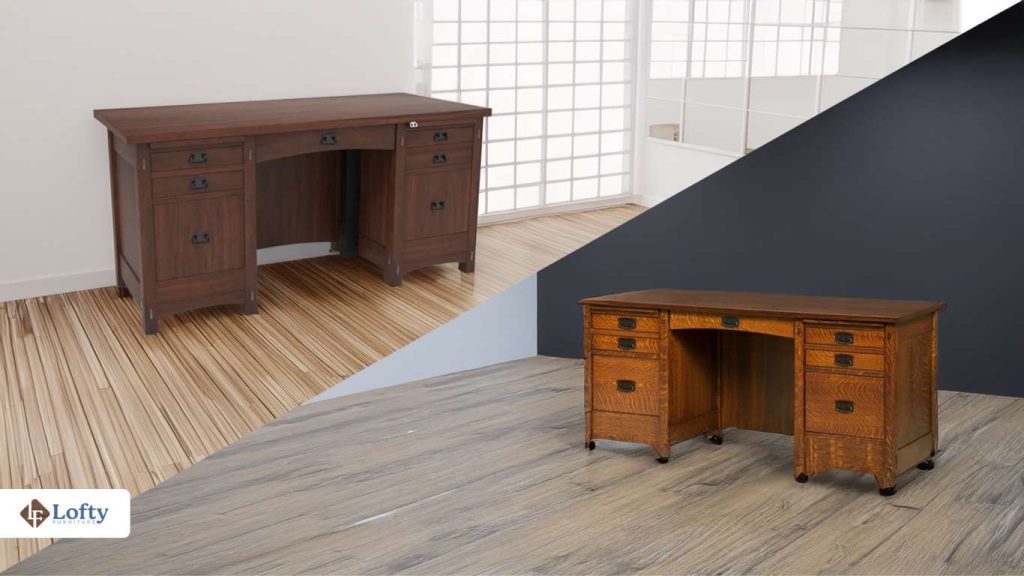
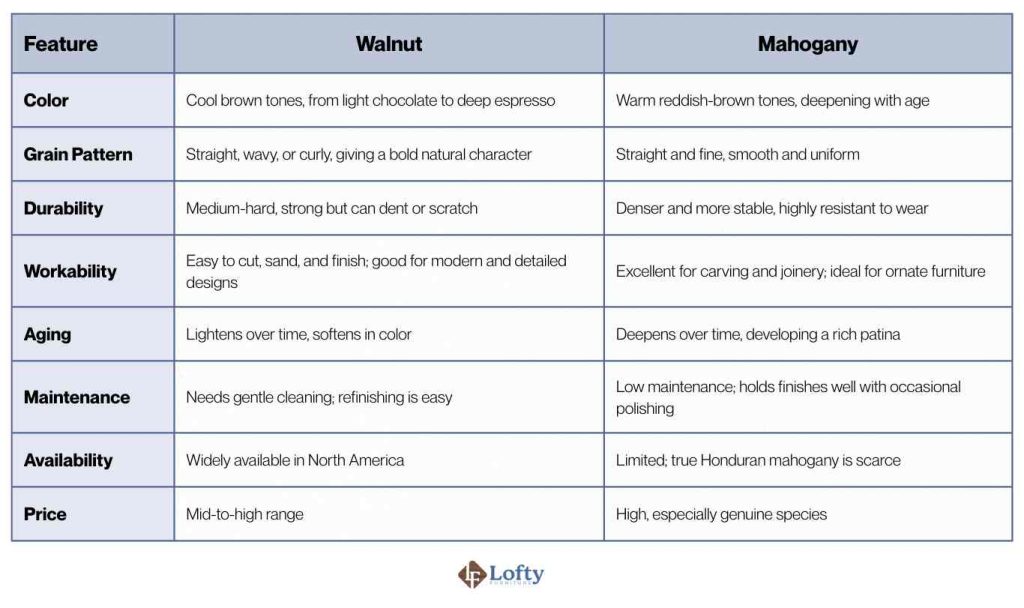
Walnut tends to have cooler brown tones, ranging from light chocolate to deep espresso, and you’ll sometimes notice subtle gray or even purplish hints. Its grain can be straight, wavy, or curly, which gives walnut furniture a bold, natural look that feels full of character. Because of this contrast and organic texture, walnut fits beautifully in modern, contemporary, and minimalist spaces.
Mahogany, on the other hand, is known for its warm, reddish-brown color that instantly makes a room feel rich and inviting. Its grain is usually straight and fine, creating a smooth, even surface that looks polished and refined. That warmth and consistency are why mahogany works so well in traditional, classic, and formal interiors where timeless elegance really matters.
Durability
Walnut is a medium-hard hardwood that’s strong enough for everyday furniture like tables, cabinets, and bed frames. It holds up well over time and resists warping or cracking. But because it’s a bit softer than some other hardwoods, dents and scratches can show up more easily with heavy use.
Mahogany is denser and noticeably more stable, which helps it stand up to wear and changes in humidity or temperature. It keeps its shape for decades, even in larger furniture pieces. That long-term strength is why mahogany is often chosen for heirloom-quality furniture meant to last for generations.
“Durability is where both woods prove their worth. Mahogany is exceptionally hard and stable, resisting scratches and maintaining structural integrity through humidity changes, qualities that have made it a favorite for fine furniture for centuries. Walnut offers excellent durability, too, though it’s slightly less dense, which actually makes it easier to work with for intricate designs. Over time, both develop character: mahogany deepens in color while walnut mellows into a lighter, honey-toned richness. Regular maintenance is minimal; dust regularly and condition periodically.” – Ja’Nae Murray Director of Marketing for Western Passion
Workability
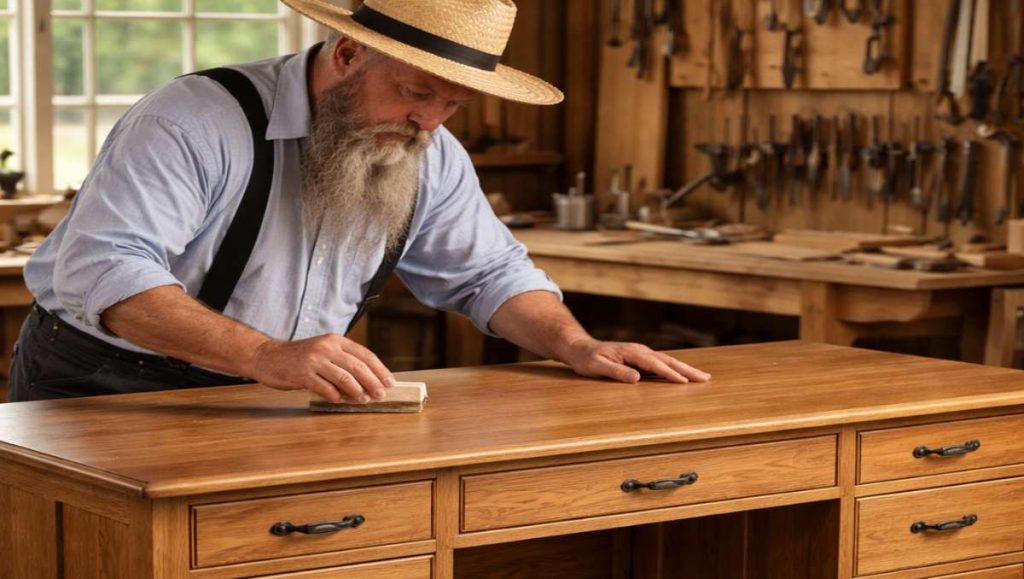
Workability is all about how easy a wood is to cut, shape, sand, and finish. And it matters a lot when you’re dealing with custom furniture or detailed designs.
Walnut is very easy to work with and behaves well during both cutting and sanding. It takes stain and finish evenly. This makes it great for clean, modern designs as well as softer, more refined details. Many furniture makers like walnut because it strikes a nice balance between strength and ease of use.
Mahogany is often considered one of the best woods for fine woodworking. Its smooth, consistent grain makes carving, shaping, and joinery feel precise and predictable. That’s why mahogany is a go-to choice for ornate furniture and pieces with intricate decorative details.
Aging
Walnut naturally lightens as it ages, especially when exposed to sunlight. The dark brown tones may soften and become more uniform over time. Protective finishes can help slow this color change.
Mahogany deepens in color as it ages, developing a rich reddish-brown patina. Light exposure enhances its warmth rather than fading it. This graceful aging process is one of mahogany’s most valued traits.
Maintenance
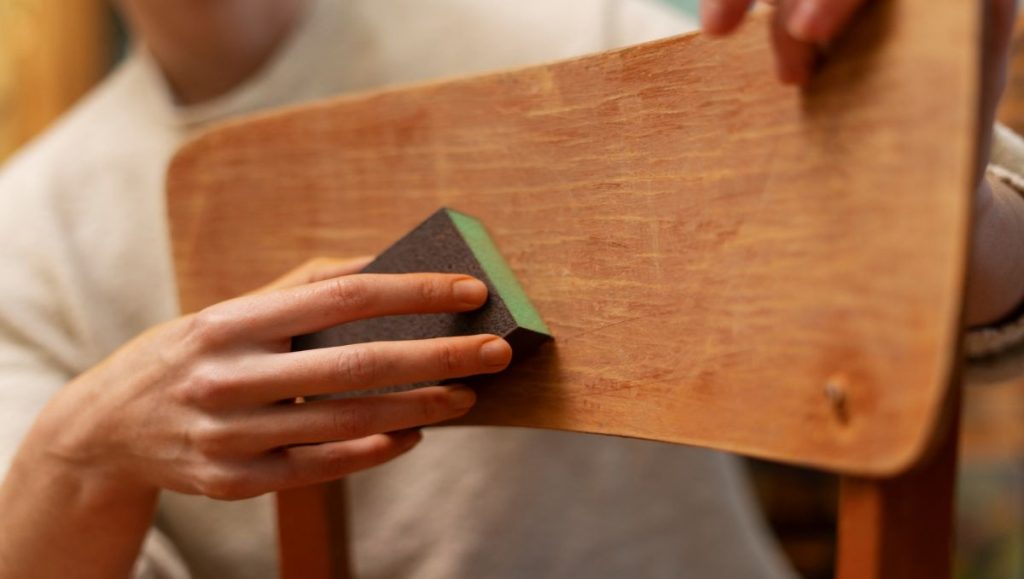
Walnut requires regular dusting and gentle cleaning. Scratches can be more noticeable on its darker surface, so protective care is recommended. Refinishing is relatively easy when needed.
Mahogany is low maintenance and holds finishes for long periods. Its dense structure helps hide minor wear, reducing the need for frequent refinishing. Occasional polishing keeps it looking rich and smooth.
Availability
American Black Walnut is widely available in North America and is easier to source for custom and large-scale furniture projects. Its steady supply makes it a reliable choice. Genuine mahogany is more limited due to strict harvesting regulations. While African mahogany and Sapele are more accessible, true Honduran mahogany remains harder to find.
Price Ranges
Walnut generally falls into the mid-to-high price range for hardwoods. Its relatively good availability helps keep pricing more stable. They offer a premium look without extreme cost, with typical U.S. prices ranging from $8 to $13 per board foot for standard grades and $15 to $20 or more for premium or figured walnut. Meanwhile, mahogany is typically more expensive, especially genuine species.
Limited supply, import costs, and high demand place mahogany among the highest-priced hardwoods. With genuine South American mahogany commonly priced at $10 to $16+ per board foot, while African or alternative mahogany species usually range from $6 to $12 per board foot, and highly figured boards can exceed $18 per board foot.
Sustainability and Environmental Impact
Sustainability and environmental impact are important considerations when choosing hardwoods for furniture. American Black Walnut is typically harvested from well-managed forests in North America, often carrying FSC (Forest Stewardship Council) or PEFC (Programme for the Endorsement of Forest Certification) labels. These certifications ensure responsible forestry practices, replanting, and minimal impact on biodiversity. This makes walnut a more environmentally conscious choice for homeowners and designers.
Mahogany, particularly genuine Honduran mahogany, has faced challenges due to overharvesting and illegal logging in parts of Central and South America. While African mahogany and Sapele are more accessible, it is crucial to source wood with certification to avoid contributing to deforestation and habitat loss. Overall, American walnut offers a sustainability advantage. They provide luxury furniture with a reduced ecological footprint when purchased from responsibly managed sources.
You might also want to compare walnut vs cherry wood for custom furniture desk.
Best Uses: When to Choose Walnut vs Mahogany
Different types of furniture place different demands on wood, from strength and stability to appearance and detail. Here’s how walnut and mahogany compare when used in common furniture pieces, so you can choose the right wood for your needs.
Dining Tables
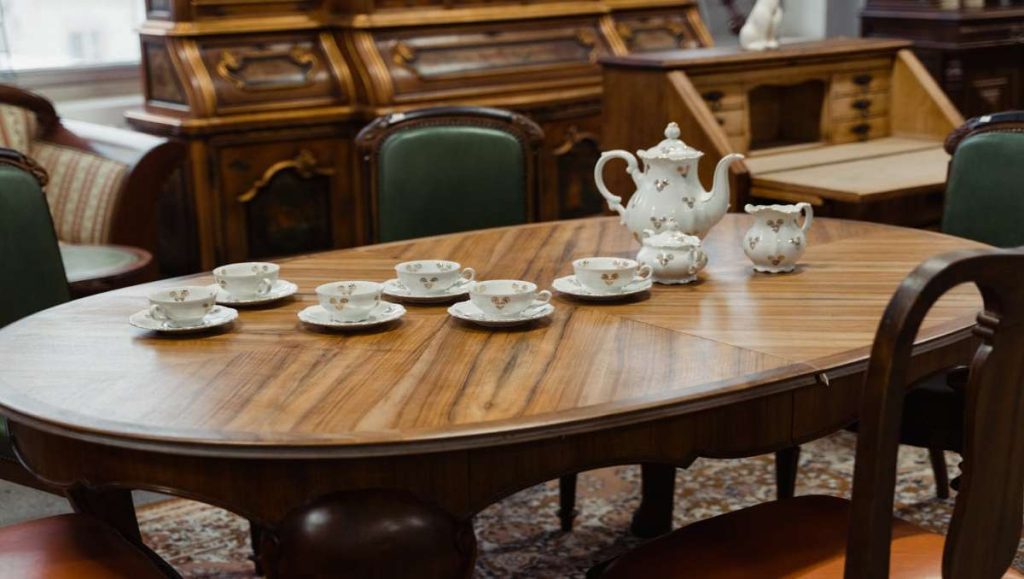
Walnut is a popular choice for dining tables in modern and contemporary homes, thanks to its rich color and striking grain that make the table a natural focal point. Mahogany works better for traditional dining rooms,. They offer excellent stability and a smooth surface that holds up well over many years of use.
Bedroom Furniture
Walnut is often used for beds, dressers, and nightstands in modern or mid-century bedrooms where a darker, more dramatic look is desired. Mahogany suits classic bedroom sets, providing a warm, elegant appearance and long-term durability that’s ideal for heirloom-quality pieces.
Cabinets and Bookcases
Walnut’s bold grain adds visual interest to cabinets and bookcases, especially in contemporary or minimalist spaces. Mahogany, with its straight grain and uniform texture, is better suited for refined cabinetry and built-ins where clean lines and a polished finish are important.
Chairs and Carved Pieces
Walnut works well for simple, clean-lined chairs and furniture with subtle detailing. Mahogany truly shines in chairs and carved pieces that feature intricate designs, curved elements, or decorative details, thanks to its exceptional workability and structural stability.
Conclusion
Choosing between walnut and mahogany depends on style, furniture type, and long-term needs. Walnut offers rich, cool brown tones, versatile grain, and lighter aging, making it ideal for modern, contemporary, and custom furniture. It is durable, smooth, and widely available, with sustainable sourcing in North America.
Mahogany provides warm reddish-brown hues, straight fine grain, and a dense, stable structure, perfect for classic, traditional, and heirloom-quality pieces. Its rich patina develops over time, adding timeless appeal. Understanding the differences in appearance, durability, workability, and sustainability helps you select the wood that best fits your design and budget.
Frequently Asked Questions
Does walnut or mahogany require more frequent refinishing?
Walnut may require refinishing slightly more often than mahogany because it is softer and can show scratches or dents over time. Mahogany is denser and holds finishes longer, reducing the need for frequent refinishing.
Are walnut and mahogany good choices for humid or tropical climates?
Both woods are stable. But mahogany is generally more resistant to humidity and moisture-related movement. This makes it better suited for humid or tropical environments. Walnut can be used, but may require extra care and finishes to prevent warping.
Can walnut or mahogany be used for outdoor furniture?
Neither walnut nor mahogany is ideal for prolonged outdoor exposure without proper sealing. Mahogany is slightly more durable outdoors, but both require protective finishes or covers to prevent damage from moisture and sunlight.
Do walnut and mahogany hold screws and hardware differently?
Mahogany’s density allows it to hold screws and hardware more securely, making it ideal for joinery and detailed fittings. Walnut is slightly softer, so pre-drilling screws is recommended to avoid splitting.
Is it easy to stain or customize the color of walnut and mahogany?
Yes, both walnut and mahogany take stains and finishes well. Walnut’s lighter and cooler tones allow for a variety of color options. Mahogany’s natural reddish-brown hue deepens with age, enhancing its classic look.