
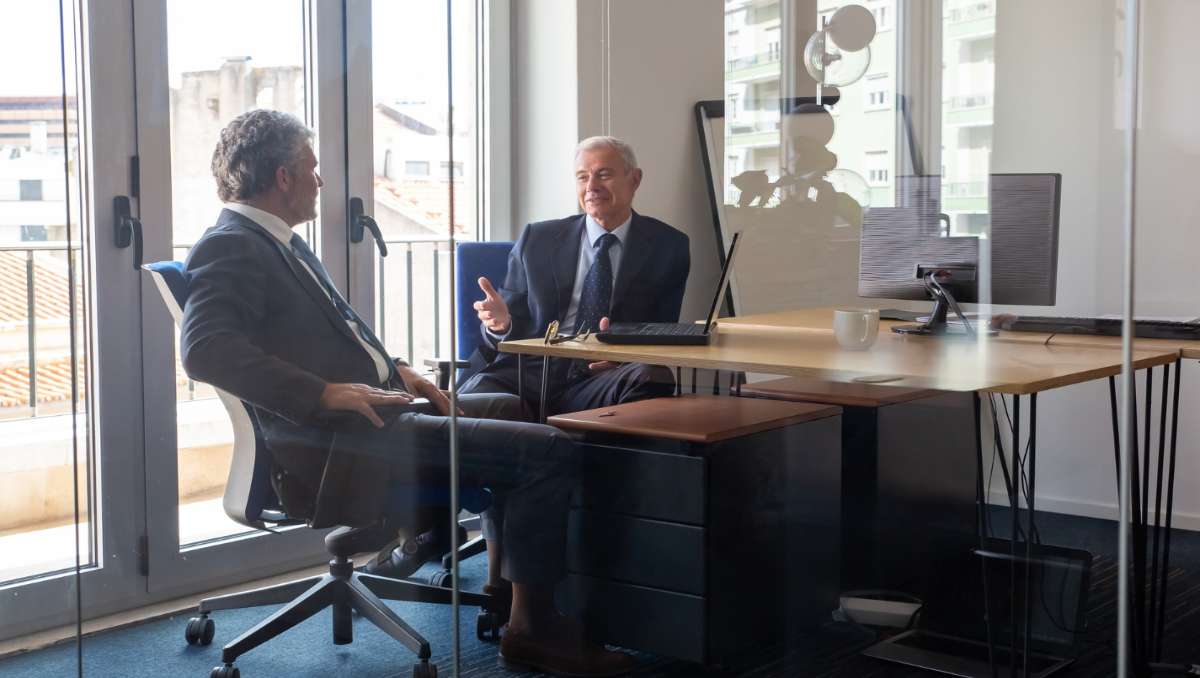
An executive office should feel intentional and a space that reflects experience and the rhythm of real work. Today’s best executive office ideas are moving beyond surface-level aesthetics and focusing on something more lasting: the balance between timeless materials and everyday comfort. Natural wood brings warmth, credibility, and character, while modern ergonomics ensures the space actually supports long hours of thinking, leading, and decision-making.
Key Takeaways:
- For executive office ideas, focus on furniture that balances form and function such as solid wood pieces and ergonomic seating that support long hours.
- Strong executive office ideas include choosing timeless wood furniture, prioritizing ergonomics, selecting a classic desk, and using color palettes that support focus.
- Small, strategic upgrades like improving lighting, decluttering with smart storage, and adding natural elements can make a measurable difference.
In this article, we’ll explore how thoughtful interior design choices can bring those two worlds together. You’ll discover practical ways to use classic wood elements and ergonomic features to create an executive office that feels grounded, polished, and functional.
The Role of Ergonomics in Modern Executive Offices
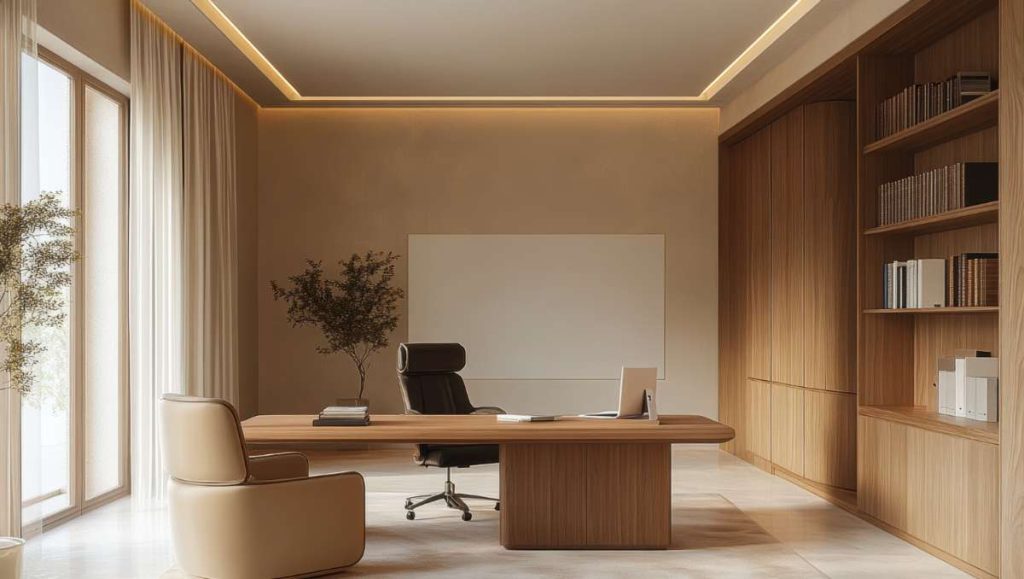
The design of an executive office goes beyond appearance, directly influencing focus, comfort, and how leadership is perceived. Thoughtful layouts and ergonomic furniture help reduce physical strain and support productivity, which plays a role in overall performance. Design choices also shape mood and energy within the workspace. Elements like natural wood and quality lighting create a calmer environment that supports clear thinking, confident decision-making, and a strong professional presence.
As Julie Ball, owner of Julie Ball Design, explains:
“Executive office design has a real impact on how someone feels and performs at work. A space that’s thoughtfully designed makes it easier to concentrate and project quiet confidence.”
7 Executive Office Ideas Blending Wood with Ergonomics
Below are ideas to help you marry classic warmth with modern functionality in your executive workspace.
1. Choose Timeless Wood to Establish Authority and Warmth
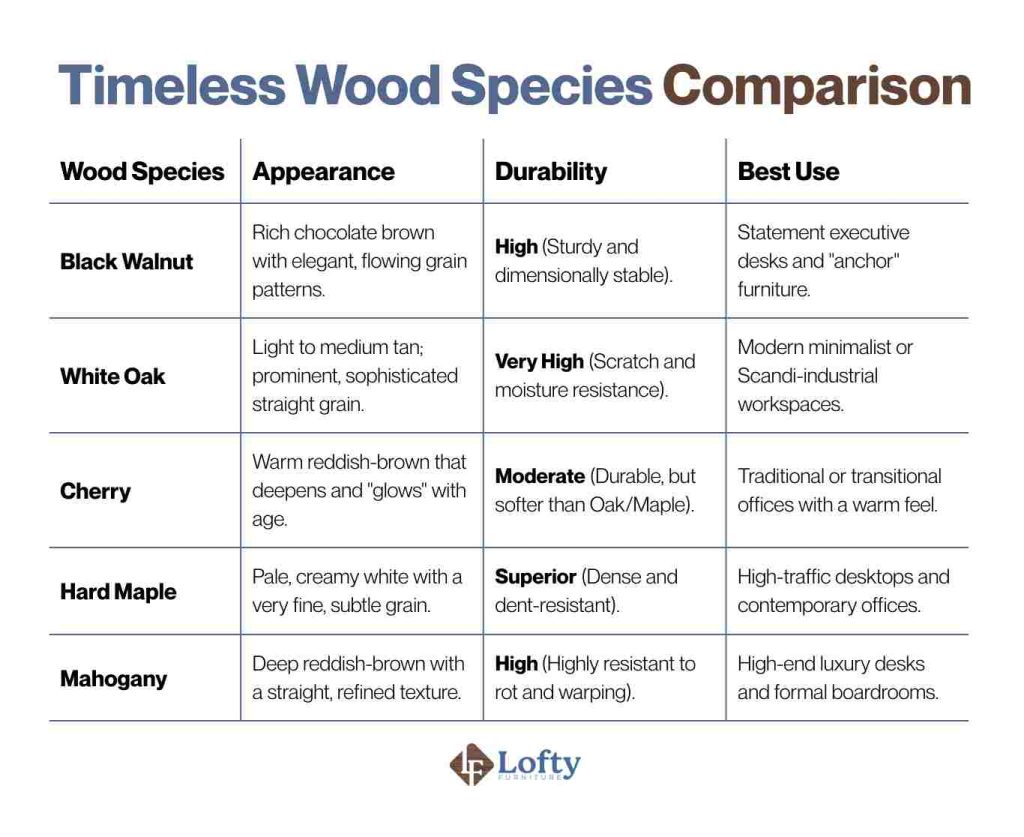
Bringing natural wood into an executive office immediately adds a sense of authority. A walnut desk or cherry-finish paneling introduces warmth and texture that communicate credibility and good taste. Research also suggests that incorporating natural materials into the workplace can improve overall well-being and productivity by as much as 15 percent.
Rassan Grant, Founder of Norstone, emphasizes that material choice directly influences perception:
“With an executive office, people typically want those spaces to be conducive to productivity, while also having a feel of luxury/high-quality, as those are associated with positions of power or notoriety. So, it’s usually preferable to pick natural wood that is a darker, richer color (think walnut, mahogany) over a wood that is a lighter color (think birch, white oak).”
2. Prioritize Ergonomics to Protect Health and Boost Performance
While wood establishes visual authority, ergonomics ensures the space genuinely supports long-term performance. Ergonomically designed furniture, from adjustable chairs to standing desks, helps reduce physical strain, promote healthy posture, and improve sustained concentration throughout the day. Julie Ball reinforces this point with a practical perspective:
“Health is just as important. Many executive offices still look impressive but aren’t especially comfortable to work in for hours at a time. When comfort is built in, productivity tends to follow.”
3. Use Smart Storage to Reduce Clutter and Preserve Aesthetics
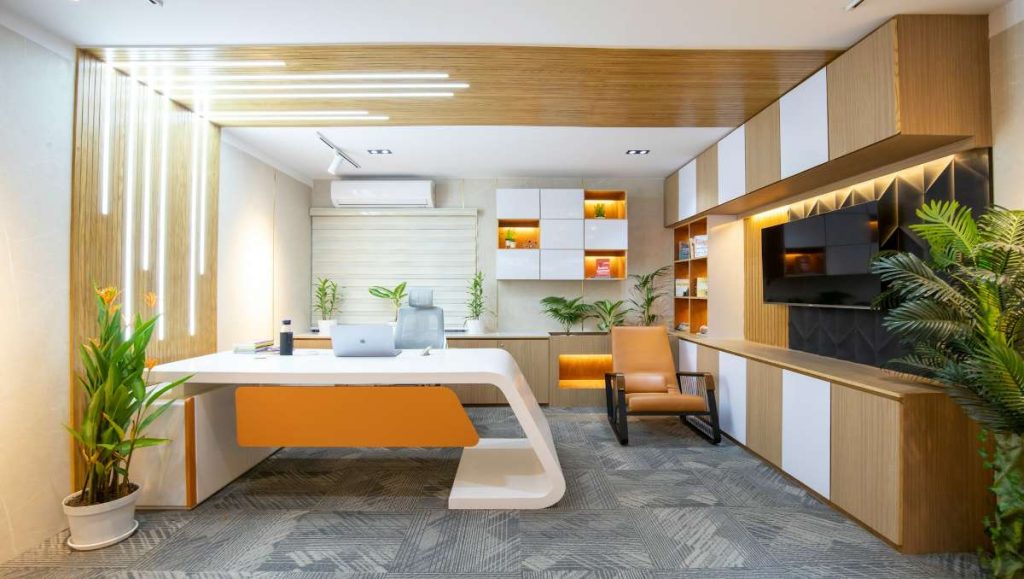
Clutter can undo even the most beautifully designed office. Intelligent storage solutions such as built-in wooden credenzas, under-desk drawers, and shelving that feels like furniture, keep essentials organized and within reach. Good storage doesn’t just hide mess; it supports workflow efficiency by keeping frequently used items accessible without breaking your line of sight.
4. Utilize Natural Lighting to Enhance Wood and Focus
Maximizing natural light in your executive office significantly supports mental clarity and productivity. Natural lighting helps regulate the body’s circadian rhythm, boosting alertness and reducing eye strain during long workdays. Studies have found that employees in naturally lit workspaces report up to a 15% increase in productivity compared to those in darker environments.
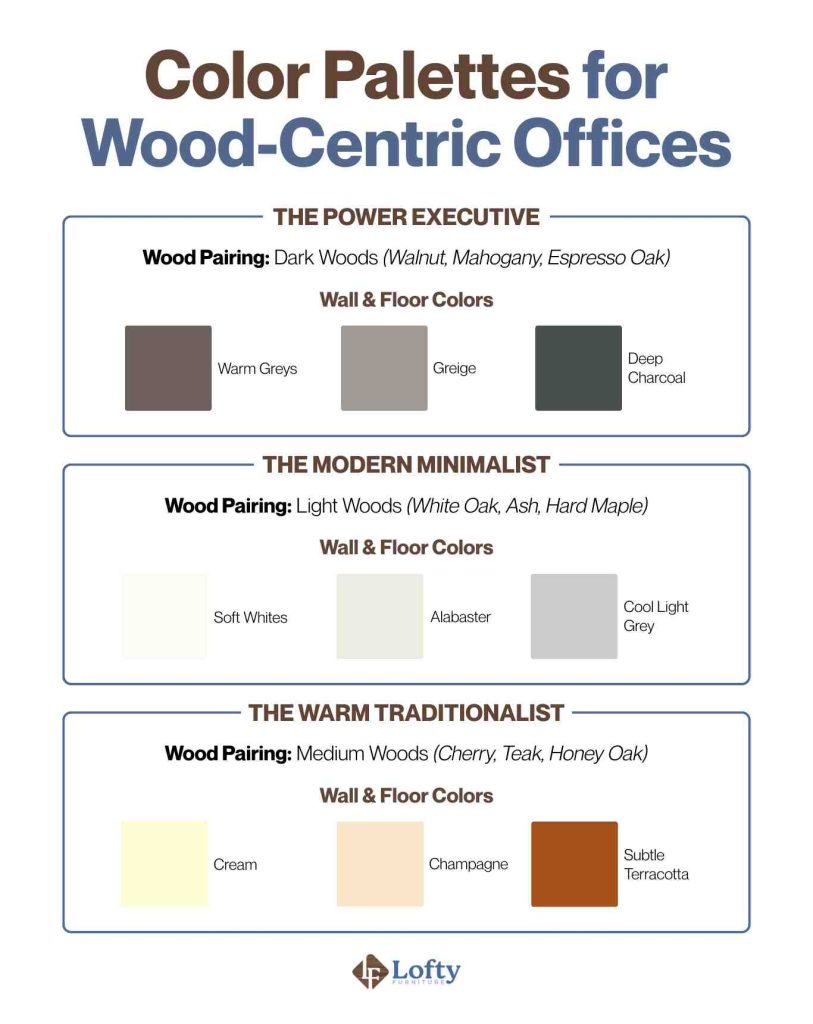
5. Use Color Palettes That Support Focus and Authority
Thoughtful color choices can subtly influence mood, focus, and how a space feels to occupants and visitors alike. In office environments, cool, nature-inspired tones like muted blues and greens are often associated with calmness and concentration, while warm neutrals (soft browns, warm grays) can communicate stability and professionalism.
6. Integrate Technology Without Disrupting Timeless Design
Blending modern technology into a classic wooden office requires subtlety. The goal is seamless utility without visual clutter. Effective integration might include hidden power outlets built into wood surfaces or wireless systems that keep cords out of sight. When done correctly, technology enhances productivity while preserving warmth and authority. Amy Kunst explains:
“True luxury is technology that doesn’t scream for attention. We are increasingly integrating “invisible ergonomics” into our designs, specifying solid wood desks that appear to be traditional heirlooms but house heavy-duty, dual-motor lift columns within the joinery.”
7. Add Other Natural Elements to Complement Wood Interiors
Expanding beyond wood and light, additional natural elements like indoor plants, stone accents, or woven textiles deepen the biophilic impact of your office. Biophilic design has been linked with reduced stress, improved cognitive function, and higher overall well-being. Simply adding greenery near your desk or a stone sculpture in a reading nook can anchor the space.
Elevate both your workspace and your productivity by integrating executive lift desks that seamlessly transition from sitting to standing for ultimate comfort.
Common Executive Office Design Mistakes to Avoid
Beware of falling into these traps of executive office design:
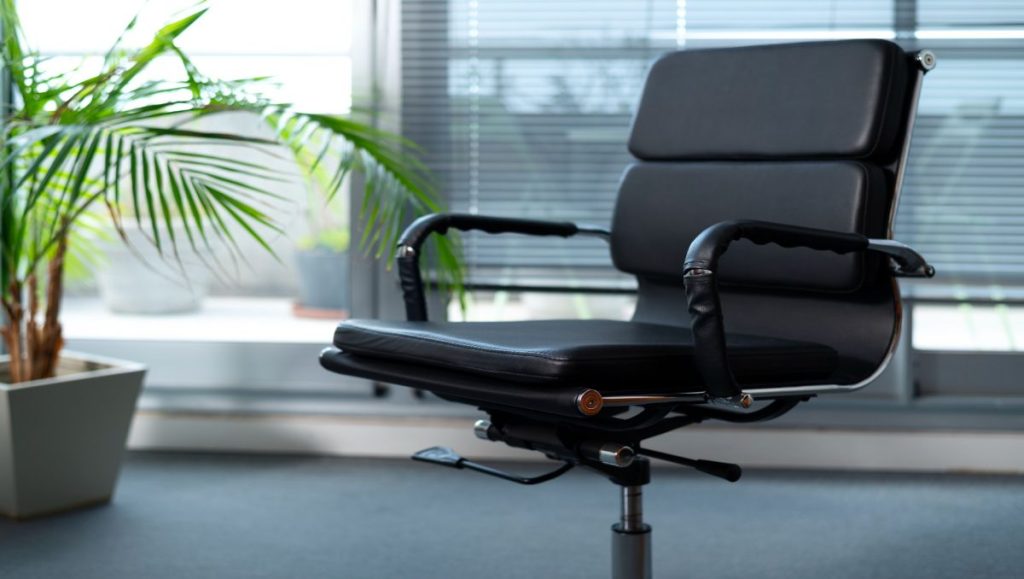
- Choosing style over comfort: A striking desk or chair may look impressive, but if it lacks proper ergonomic support, it will quickly become a daily frustration.
- Overloading the space with heavy wood: Wood should feel rich and intentional, not overwhelming. Too much dark wood in a small space can make the office feel cramped.
- Ignoring lighting layers: Executive offices benefit from a mix of natural light, task lighting, and warm ambient lighting.
- Underestimating storage needs: A beautiful office loses its impact when papers, files, and personal items pile up.
- Copying trends without intention: Ultra-trendy designs can date quickly. Executive spaces work best when they lean on timeless materials and thoughtful function.
Future Trends in Executive Office Design
Executive offices are becoming more adaptive, human-centric, and technology-enabled, with flexible layouts that support focused work, collaboration, and spontaneous interaction. Modular furniture and acoustic strategies create calm zones for deep work while maintaining social connectivity.
Sustainability and well-being are also key drivers. Biophilic and regenerative design using natural materials, daylight, living walls, and quiet zones enhances air quality, reduces stress, and creates restorative environments that support performance and employee retention.
Final Thoughts: Designing an Executive Office That Endures
An executive office should feel like a space that works as hard as you do. When timeless wood elements are thoughtfully paired with modern ergonomics, the result is an environment that supports focus, protects health, and quietly communicates authority. The best executive office ideas aren’t about excess; they’re about intention. From the desk you choose to the light that fills the room, every decision becomes part of a cohesive space that feels grounded, functional, and built to last.
Frequently Asked Questions
What are the latest open office trends?
Recent open office trends focus on flexibility rather than fully open layouts. Many executive spaces now incorporate quiet zones, glass-partitioned private offices, acoustic panels, and modular furniture. The goal is to maintain openness and collaboration.
What are some affordable office upgrades?
You don’t need a full renovation to elevate your space. Simple upgrades like an ergonomic chair, a solid wood desk topper, better task lighting, cable management trays, and a few well-placed plants can dramatically improve both comfort and appearance.
What is the best wood type for a long-lasting executive office setup?
Hardwoods such as walnut, red or white oak, cherry, and teak are among the most durable and timeless choices. They resist wear, age beautifully, and maintain their visual appeal over decades.
Can ergonomic furniture still look luxurious and professional?
Absolutely. Many high-end ergonomic chairs and desks are now designed with premium materials, leather finishes, refined silhouettes, and wood accents. The key is choosing pieces that balance performance with aesthetics.