

Modern work and life in general keeps most of us glued to chairs far longer than our bodies were ever designed for. That’s where the growing interest in standing desks comes in. They’re not just a workplace trend; they reflect a broader shift toward healthier, more intentional daily habits. The benefits of standing desk setups go well beyond simply getting off your seat. From supporting better posture to helping improve energy levels, standing desks are increasingly seen as a practical tool for overall wellness.
Key Takeaways
- A standing desk is a workstation that allows you to work while standing, often adjustable for better movement.
- Benefits of standing desk include improved posture, increased movement, better energy, and support for long-term wellness.
- Alternating between sitting and standing maximizes both physical and mental health benefits.
In this article, we’ll take a closer look at the benefits of standing desk use across physical health, mental clarity, and productivity. We’ll also explore how to use one effectively and what to keep in mind to get the most out of it.
What Is a Standing Desk and How Does It Work?
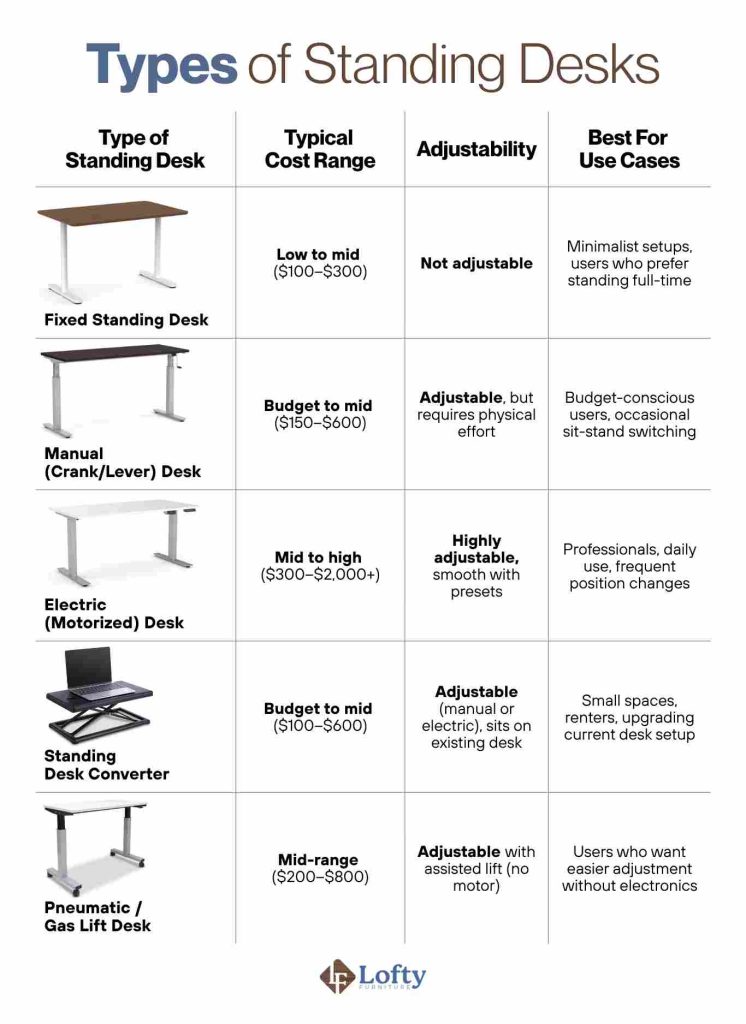
A standing desk is a workspace tool that lets you move while you work rather than being stuck in a chair all day. Most models are height-adjustable, meaning you can switch between sitting and standing whenever you need to change your posture. Whether you use a manual hand crank or an electric motor, the idea is to raise or lower the desktop so it perfectly matches your elbow height. This gives you an optimized desk setup that avoids forcing your body to stay in one stiff, static position for hours on end.
From basic converters to fully motorized desks, each type comes with its own features. The table below breaks down the most common types of standing desks:
Interested in more power? Explore more about dual motor standing desks.
6 Health Benefits of Using a Standing Desk
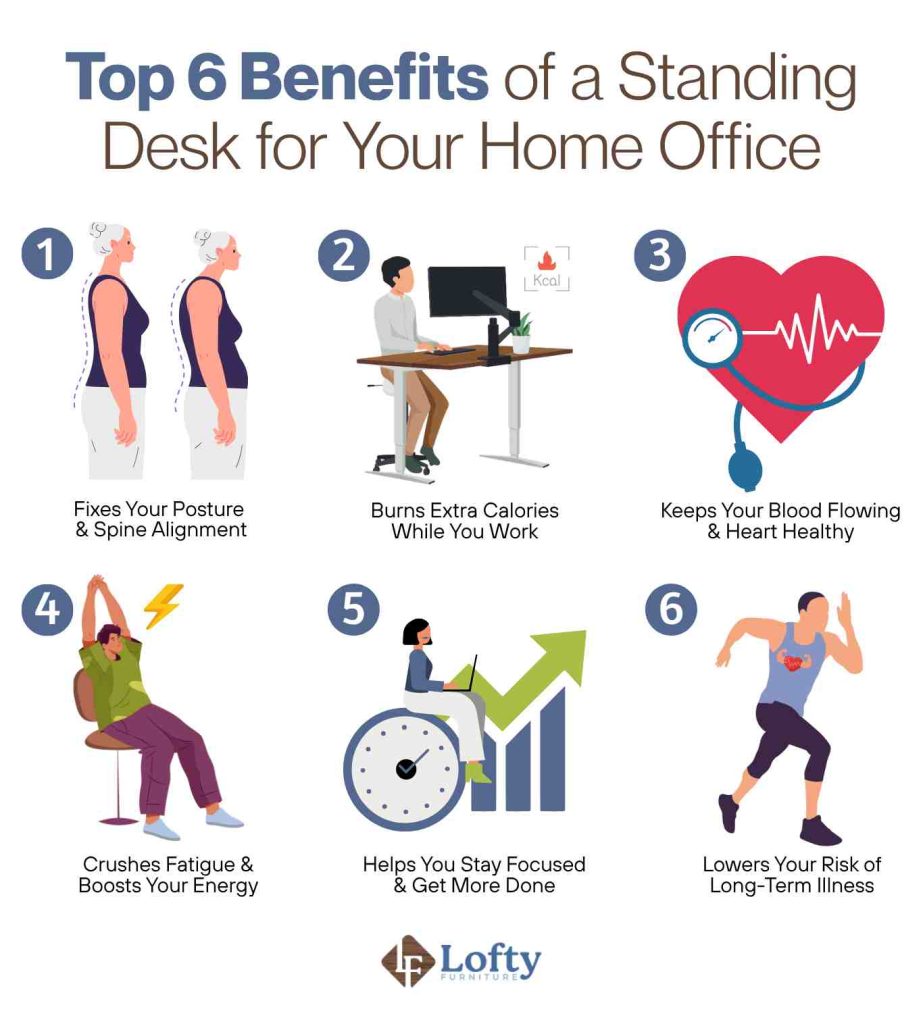
Standing desks are changing how your body engages with work throughout the day. Below are six key health benefits of standing desk use to give you a clearer picture of how this simple upgrade can support overall wellness.
1. Enhanced Physical Health and Posture
Sitting for long periods tends to compress the spine, tighten hip flexors, and encourage slouching. Standing, on the other hand, promotes a more neutral spine position and engages core and postural muscles that help keep your body aligned. A 2016 ergonomics study highlighted that prolonged sitting is associated with musculoskeletal issues, while alternating between 30 to 60 minutes of sitting and 30 to 60 minutes of standing can help reduce back and shoulder discomfort.
2. Increased Calorie Burn and Weight Management
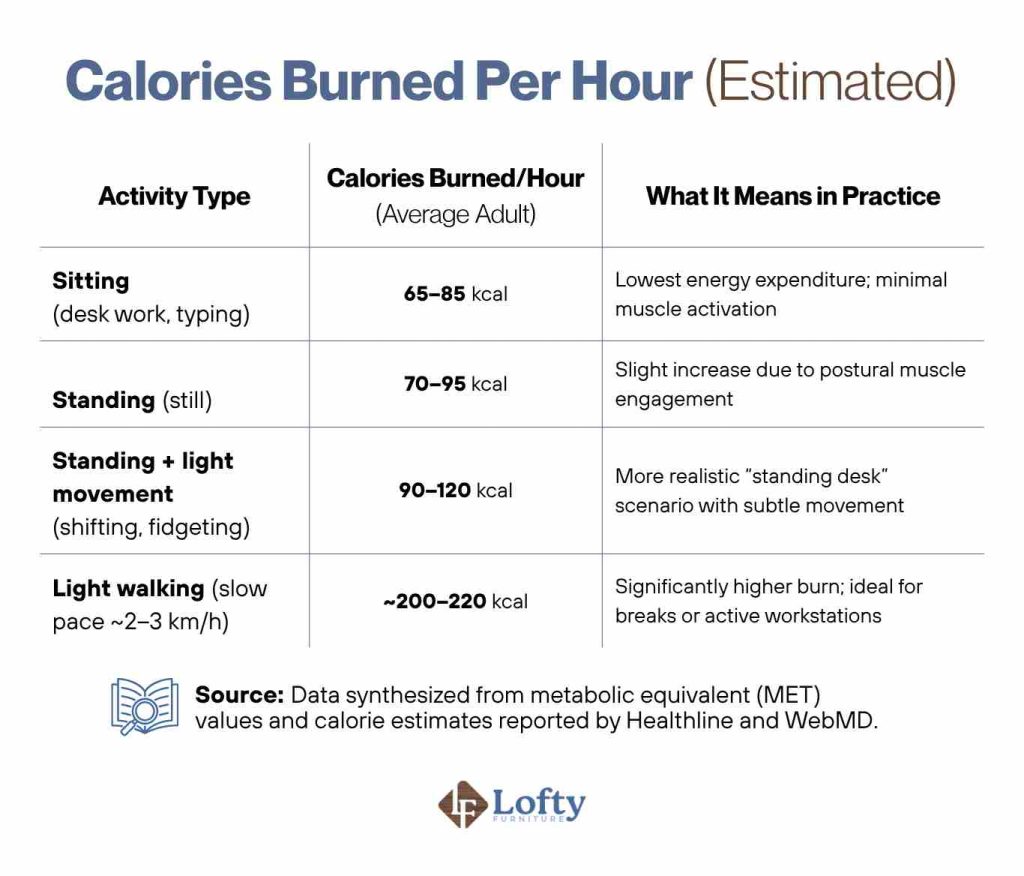
Standing won’t replace exercise, but it does increase your daily energy expenditure. Even small differences in calorie burn can add up over time, especially if you consistently replace sitting with standing during work hours. Movement is key to maximizing the benefits of a standing desk.
This comparison shows that while the difference between sitting and standing alone is modest, adding even light movement dramatically increases calorie burn.
3. Improved Cardiovascular and Metabolic Health
Long periods of sitting have been strongly linked to higher risks of metabolic disorders, including type 2 diabetes and cardiovascular disease. Research from Biological Research for Nursing suggests that excessive sitting can interfere with blood sugar regulation and increase the risk of chronic conditions, while reducing sedentary time can help counteract some of these effects.
Brittany Ferri, PhD, OTR/L, Founder of Simplicity of Health, adds:
“Standing (as well as switching between body positions) not only allows for improved circulation, but it provides weight-bearing input to the joints, which strengthens bones and provides essential sensory input to the body.”
4. Better Mental Well-Being and Energy Levels
How you position your body can also influence how you feel mentally. Standing encourages subtle movement which helps keep your body more alert compared to prolonged sitting. In a 2018 workplace study, employees using sit-stand desks reported reduced fatigue, lower stress levels, and improved overall well-being compared to those who remained seated throughout the day.
5. Increased Focus, Productivity, and Work Performance
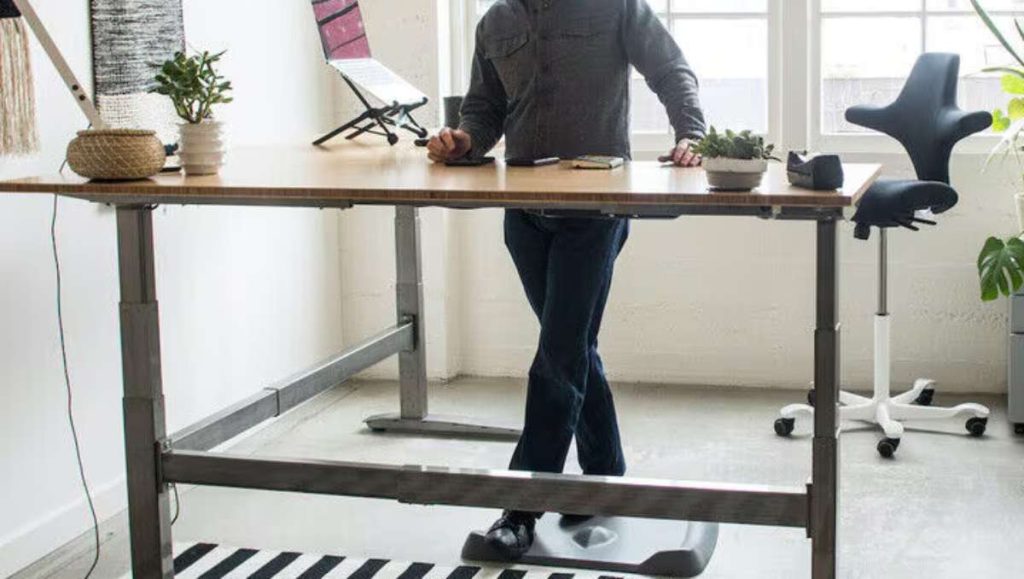
Standing desks can also support better concentration and engagement, especially during tasks that don’t require fine motor precision. By reducing discomfort and boosting energy, they help maintain a more consistent level of focus throughout the day. A 12-month study found that employees who used standing desks not only reduced sitting time significantly but also showed improvements in job performance and work engagement.
6. Supports Long-Term Wellness and Disease Prevention
At a broader level, the biggest benefit of standing desks is how they help reduce prolonged sedentary behavior, which is one of the major risk factors for chronic disease in modern lifestyles. Many studies consistently show that replacing some sitting time with standing or light activity can help lower these risks and support long-term health outcomes.
What are The Cons of A Standing Desk?
While standing desks offer clear benefits, they are not a cure-all and come with their own set of risks. Standing in one position for too long can strain your legs, knees, and lower back, as 2014 research on prolonged standing shows that continuous effort beyond two hours often causes more physical discomfort than alternating positions.
Furthermore, a standing desk can actually introduce new issues if the ergonomics are ignored; without proper monitor height and keyboard placement, you are simply shifting your musculoskeletal strain from one area to another. Finally, keep in mind that the transition to a standing routine often comes with initial soreness in your calves and lower back. Most importantly, a standing desk is not a substitute for exercise. It is a tool to facilitate movement, not a replacement for it, so you must continue to prioritize walking and changing positions throughout the day to truly offset the effects of a sedentary lifestyle.
You might also want to learn about standing tables and their benefits for people with disabilities.
Standing Desk vs Traditional Desk: Which Is Better for Your Health?

When it comes to your health, a standing desk is the better choice, provided you use it correctly. Traditional desks force you into a static, seated position for hours, which consistently leads to poor posture, muscle stiffness, and reduced circulation, while increasing the long-term risk of metabolic and cardiovascular issues.
In contrast, a standing desk promotes an active work style by allowing you to transition between sitting and standing, which engages your core, relieves spinal pressure, and boosts blood flow throughout the day. However, standing all day is not the goal; doing so can lead to joint fatigue and back pain. The true advantage of a standing desk is the flexibility it provides, making it easier to keep your body in motion and avoid the pitfalls of staying in one position for too long.
Invest in your long-term health by upgrading to one of our two lift leg desks, engineered to provide the stability and seamless transitions you need to maximize your daily standing benefits.
Final Thoughts: Why Standing Desks Support Total Wellness
Standing desks are a practical tool for enhancing overall wellness. By alternating between sitting and standing, you reduce the risks associated with prolonged sedentary behavior, support better posture, and encourage subtle movement that keeps your muscles and circulation active. Beyond the physical benefits, standing desks can also improve mental clarity, energy levels, and productivity, making them a holistic solution for both body and mind.
The key to maximizing these benefits is balance: combine proper ergonomic setup, regular movement, and a gradual sit-stand routine. While standing all day isn’t the goal, strategically integrating standing intervals into your workday helps your body stay engaged, prevents discomfort, and supports long-term health.
Frequently Asked Questions
How long should you stand at a standing desk each day?
Experts recommend alternating between sitting and standing every 30–60 minutes, gradually building up to a balanced routine that works for your body.
How to properly use a standing desk?
Adjust your monitor so it sits at eye level, with the screen about 20 to 28 inches away from you. Tilt it slightly at around a 20-degree angle for a more comfortable view. Make it a habit to switch to standing every 20 to 30 minutes to keep your body from staying in one position too long.
Does a standing desk help with sciatica?
Standing desks may help relieve pressure on the lower back and reduce discomfort for some people with sciatica, but proper ergonomic setup and movement breaks are crucial. Consultation with a healthcare professional is recommended for persistent issues.
Does a standing desk help with back pain?
Yes, especially when used as part of a balanced sit-stand routine. Alternating positions, maintaining proper posture, and using an ergonomic setup can reduce lower back strain and improve overall spinal health.