
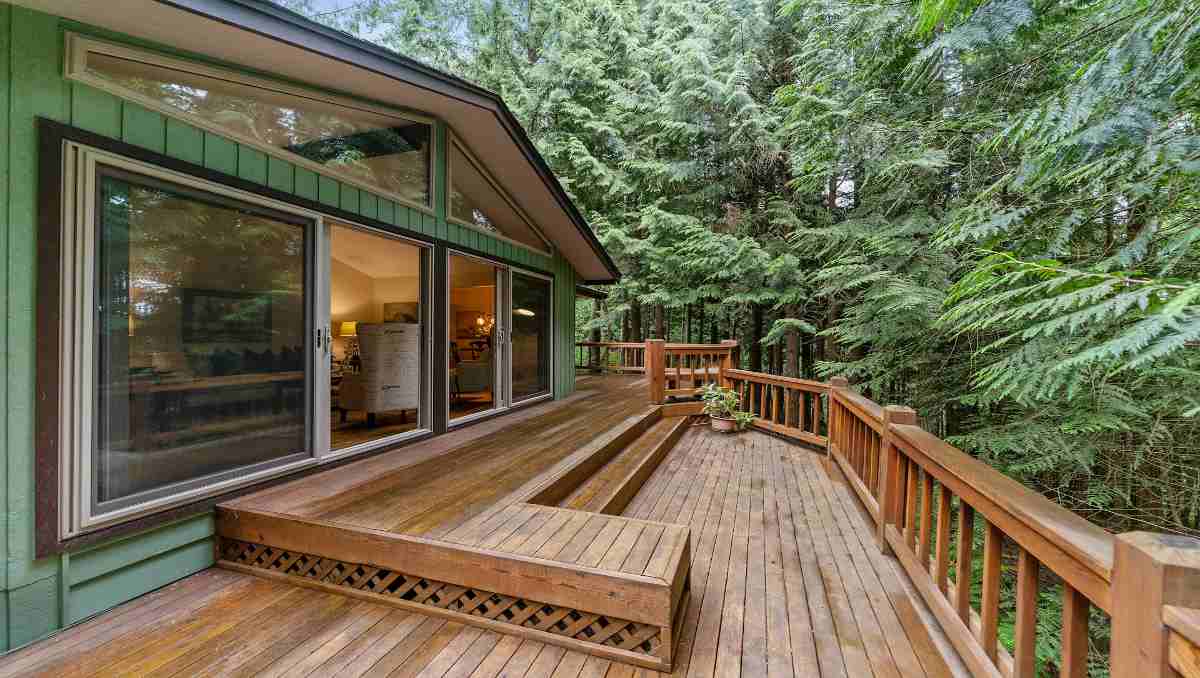
Building an outdoor deck is one of the most effective ways to enhance a home’s beauty and functionality, creating a smooth transition between indoor comfort and the outdoors. Yet, choosing the right wood involves more than appearance—especially in 2025, when climate resilience, sustainability, and cost efficiency are top priorities. With regional climates and fluctuating lumber prices shaping performance and value, selecting the best decking material now requires a careful balance between durability, environmental impact, and budget.
Key Takeaways:
- The best wood for outdoor decking depends on your budget, climate, and maintenance needs.
- Top decking woods include Ipe for durability, Cedar and Redwood for rot resistance, and pressure-treated lumber for an affordable, long-lasting option.
- Follow consistent cleaning and sealing routines to extend your deck’s lifespan and maintain its appeal year-round.
In this guide, we explore how to choose the best wood for outdoor decking in 2025—balancing aesthetics, durability, and cost.
Understanding Outdoor Decking
Outdoor decking is a wooden or composite platform designed for homes, patios, gardens, and even commercial spaces. It enhances curb appeal, increases property value, and creates a comfortable outdoor area for relaxing or entertaining guests. Decks are commonly built using natural wood—such as hardwoods or softwoods—or composite materials made from wood fibers and plastic.
The performance and lifespan of a deck are strongly influenced by climate and budget. A study found that prolonged moisture exposure significantly reduces decking material performance, showing how environmental conditions impact durability. Budget then determines the trade-off between upfront cost, maintenance, and longevity, with premium materials offering longer lifespans and lower upkeep, while affordable options can still perform well with proper care.
Best Wood for Outdoor Decking by Climate
Climate is one of the most important factors when choosing decking wood. Temperature extremes, moisture levels, and seasonal changes all affect durability and maintenance needs.
Hot and Dry Climates
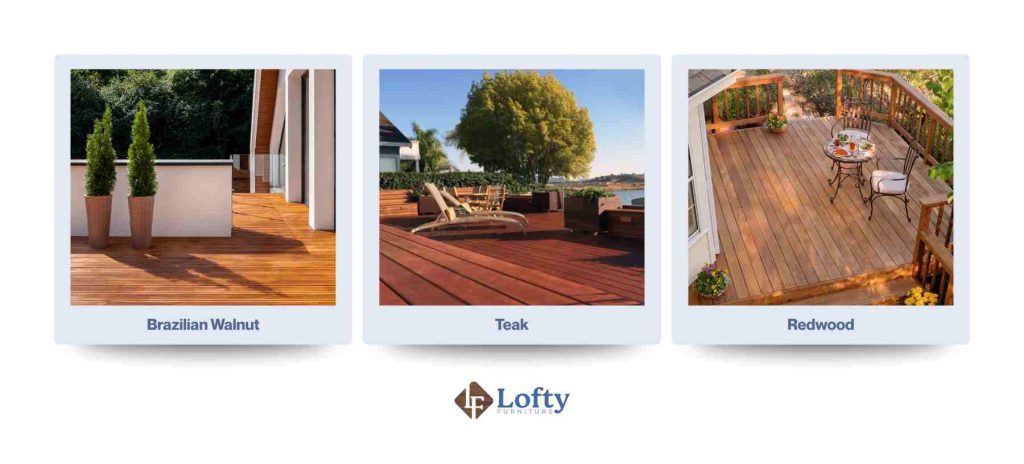
In hot, dry regions, decking materials must withstand intense sun and moisture loss. Dense, naturally oily types of timber perform best because they resist cracking, splintering, and fading. Ipe, also known as Brazilian Walnut, is extremely durable and highly resistant to UV damage, insects, and rot, making it an excellent choice for long-lasting decks. Teak also performs well in these climates, handling heat effectively while resisting drying and warping. Redwood is another option that fares well in hot conditions, although it requires regular sealing to maintain its rich color over time.
Humid and Tropical Climates
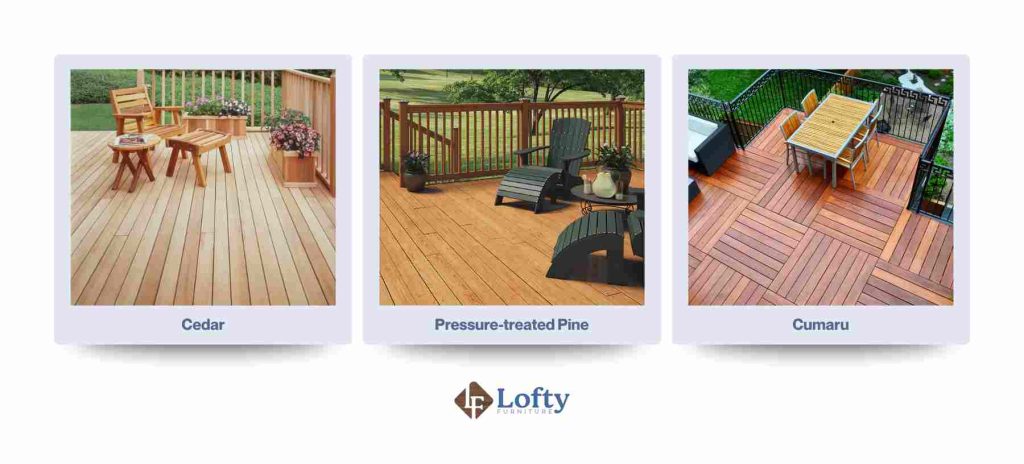
High humidity, heavy rainfall, and insects make moisture resistance essential in tropical environments. Cedar naturally resists decay and insect damage while remaining lightweight and easy to install. Pressure-treated pine is a cost-effective option because chemical treatments protect it from rot and pests. Cumaru, a dense tropical hardwood, offers durability similar to Ipe and handles wet conditions exceptionally well, making it ideal for decks in humid climates.
Cold and Snowy Climates
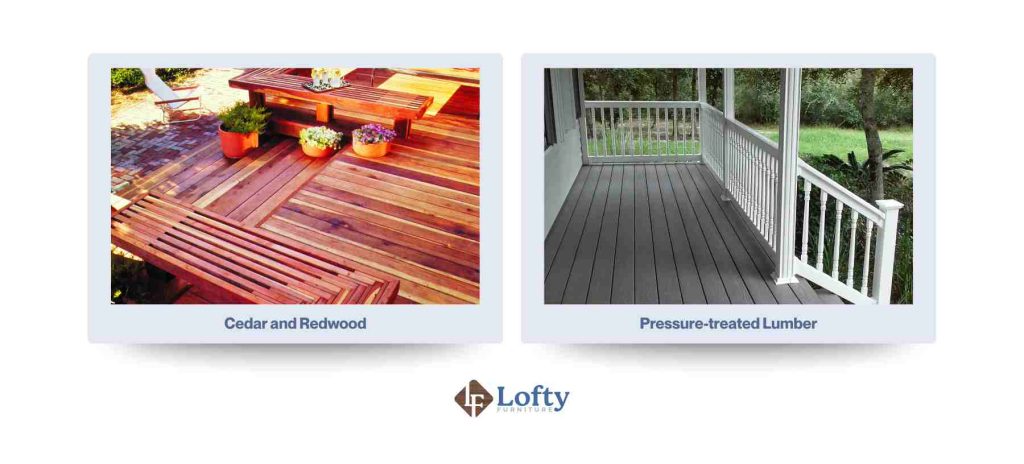
Cold regions expose decking materials to freeze-thaw cycles, snow buildup, and prolonged moisture. Cedar and redwood expand and contract less than many other woods, making them reliable choices for stability in cold weather. Pressure-treated lumber is another excellent option, as it resists ground moisture and decay. Composite decking can also outperform natural wood in these climates due to its low moisture absorption and minimal seasonal maintenance requirements.
Best Wood for Outdoor Decking by Budget
Budget is an important factor when choosing decking materials, but it should always be weighed alongside lifespan and maintenance costs.
Budget-Friendly Wood Options
Pressure-treated wood is the most affordable and widely used, offering solid resistance to rot and insects. Treated pine is economical but requires more frequent maintenance to stay in good condition. Douglas fir provides good structural strength but must be properly sealed to resist moisture. While these options may have shorter lifespans than premium woods, they can still last many years with proper care.
Premium Wood Options

Premium woods deliver superior durability, longevity, and visual appeal. Ipe can last over 40 years due to its exceptional hardness, while teak is prized for its rich appearance and natural resistance to moisture and insects. Mahogany offers a refined look and is easier to work with, making it a popular choice for high-end decks. Though the initial cost is higher, premium woods often provide better long-term value.
Key Factors to Consider When Choosing Decking Wood
Selecting the right wood for your outdoor deck is an important decision that impacts both appearance and longevity. The right choice can enhance your home’s style while ensuring years of reliable use.
Durability and Lifespan
Durability is one of the most important considerations when choosing decking wood. Materials should resist insects, rot, moisture, and harsh weather conditions. Long-lasting options such as tropical hardwoods and modified wood perform well even in challenging climates, helping your deck maintain its strength and structure over time.
Aesthetic Appeal
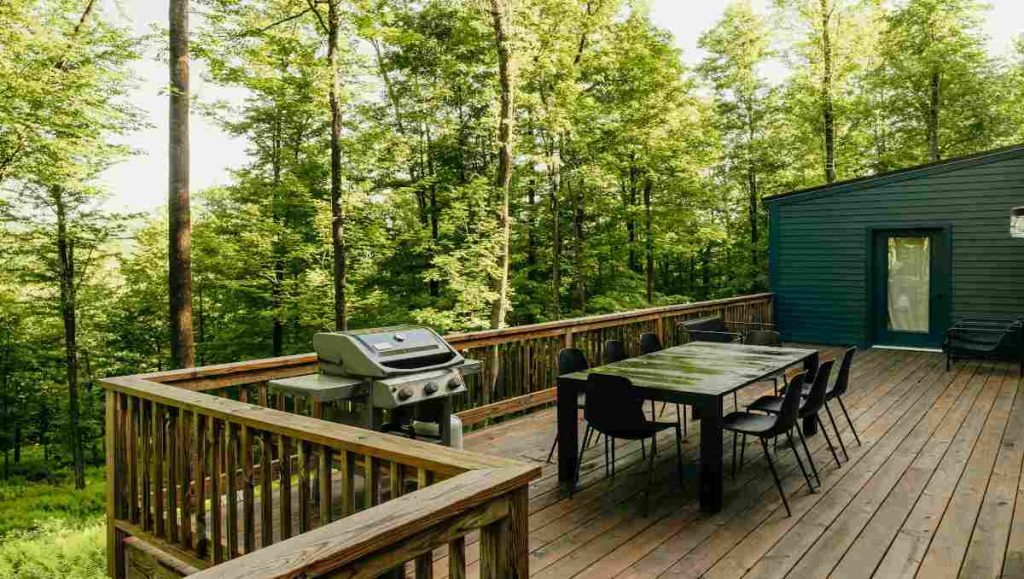
The look of your decking plays a major role in shaping your outdoor space. Color, wood grain, and finish should complement your home’s design. Cedar and redwood provide warm tones and natural beauty, while composite and PVC decking offer a consistent, modern appearance with uniform coloring.
Maintenance Requirements
Different decking materials require different levels of upkeep. Natural wood often needs sealing, staining, and periodic cleaning to prevent weather damage. Homeowners looking for low-maintenance solutions may prefer composite or PVC decking, which resists fading, mold, and rot without frequent treatment.
Sustainability
Sustainability is increasingly important for environmentally conscious homeowners. Eco-friendly decking options include woods certified by organizations such as the FSC (Forest Stewardship Council) or PEFC (Programme for the Endorsement of Forest Certification). Composite and modified woods can also be greener choices, as they often use recycled or responsibly sourced materials.
Easy Maintenance Tips for Outdoor Decking
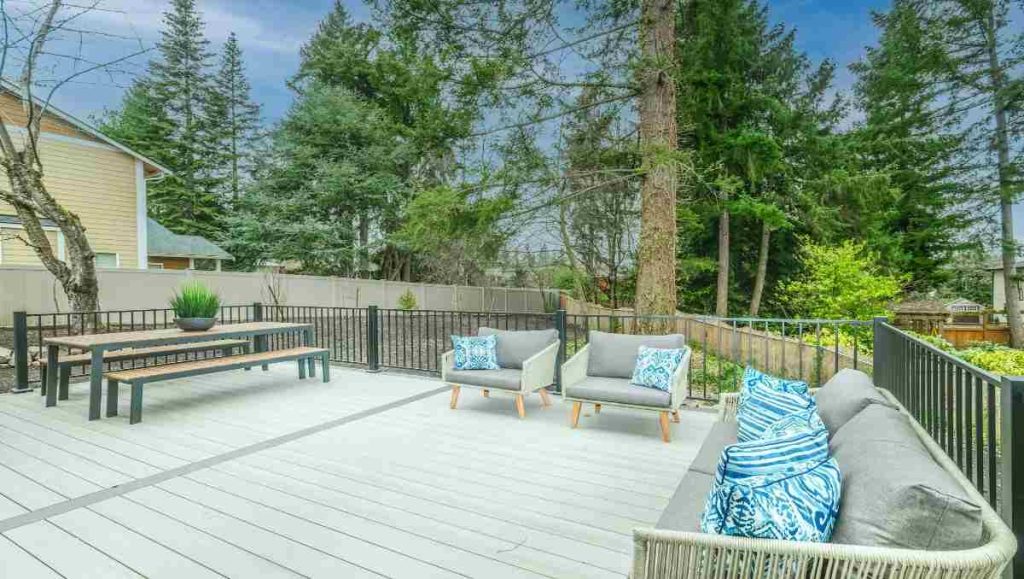
Proper deck care helps preserve its beauty and extend its lifespan. Here are some essential deck maintenance tips to keep your outdoor decking wood in top condition:
- Regular cleaning: Sweep and wash your deck to remove mold, dirt, and debris that can cause staining or decay.
- Sealing and staining: Apply sealant or stain every few years to boost durability and maintain your deck’s natural color.
- Climate-specific care: In hot climates, protect your deck with UV coatings; in humid areas, ensure proper drainage to prevent rot; and in cold regions, check for and repair freeze-thaw damage.
- Seasonal inspections: Look for early signs of wear, rot, loose boards, or insect damage and address issues immediately.
“Maintenance is key to longevity. I recommend sealing hardwood decks annually, while Cedar and Redwood benefit from UV-protective stains every two to three years. Pressure-treated wood should be cleaned and sealed more frequently to preserve its structural integrity.” – Victor Fiore, Co-Founder of Magnolia Home Remodeling Group
Conclusion
Choosing the best wood for outdoor decking in 2025 comes down to understanding your climate, budget, and how much maintenance you’re willing to commit to. Whether you prefer the timeless appeal of natural woods like Cedar or Redwood, the superior strength of Tropical Hardwoods, or the modern, low-maintenance advantage of Composite and PVC decking, the right choice enhances both your home’s value and your outdoor lifestyle.
By considering factors like durability, sustainability, and long-term costs, you can build a deck that stands strong against the elements while reflecting your personal style. The future of decking isn’t just about looks—it’s about making smart, lasting investments that balance beauty, performance, and responsibility to the environment.
Frequently Asked Questions
Is H3 or H4 better for decking?
H4 is better for decking that touches the ground because it offers stronger protection against moisture and rot. H3 is ideal for above-ground parts like decking boards and rails. If your deck has any sections near soil, H4 is the safer choice.
What is the longest lasting finish for a wood deck?
The longest lasting finish for a wood deck is a high-quality oil-based stain or polyurethane sealer. These protect against moisture, sun damage, and wear over time. Reapplying every one to two years keeps your deck looking fresh and strong.
Is cedar or pine better for decks?
Cedar is generally better for decks because it naturally resists rot, decay, and insects. Pressure-treated pine is more affordable but needs more maintenance. For longer life and a beautiful finish, cedar is the preferred choice.
Is pine ok for outdoor use?
Yes, pine is fine for outdoor use as long as it’s pressure-treated. The treatment protects the wood from rot, moisture, and termites. Untreated pine, however, will decay quickly when exposed to the elements.
Do I need pressure-treated wood for a deck?
In most cases, yes—you need pressure-treated wood for a durable, long-lasting deck. It prevents damage from termites, rot, and moisture. Only naturally resistant woods like cedar or teak can be used without treatment.