
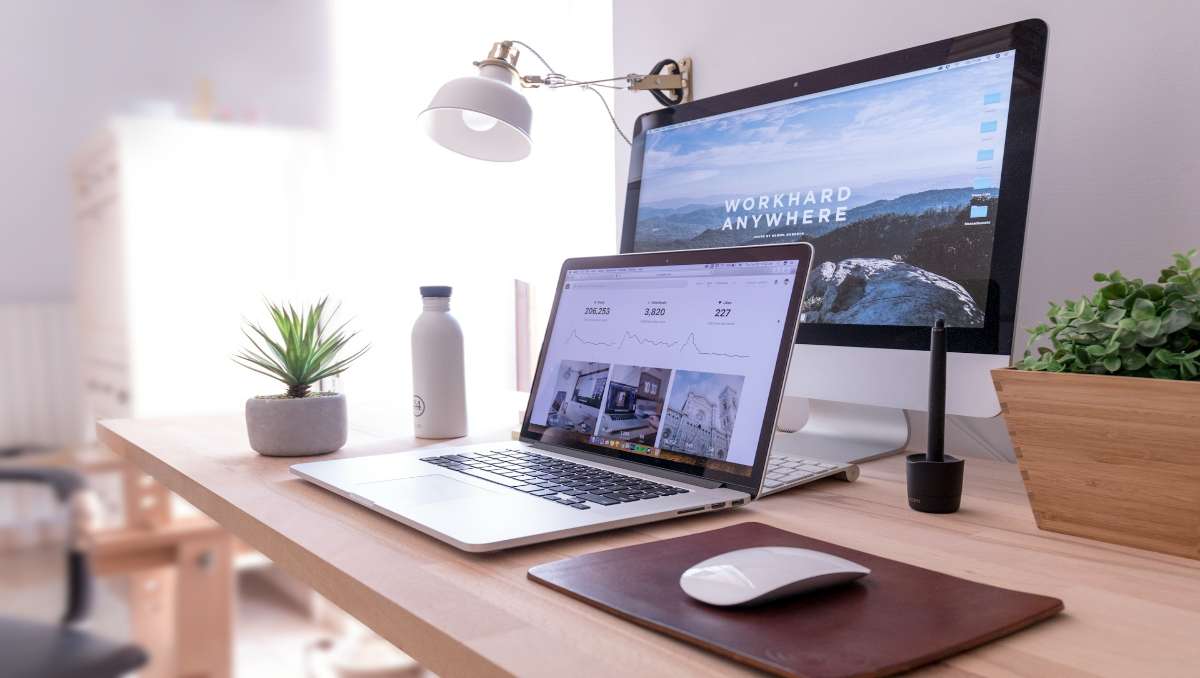
Working from home has changed how our homes function, especially in apartments and open spaces where rooms often serve more than one purpose. The living room is no longer just a place to relax; for many people, it has become a daily workspace as well. Adding a desk in the living room can be a practical solution, but only when it is thoughtfully planned so it fits the space without disrupting comfort or flow. The right desk and layout can support productivity while still feeling like part of the living area rather than an afterthought, which is especially important in shared or open-plan homes.
Key Takeaways:
- The best living room desks balance style and function, with options like floating, secretary, and storage-integrated designs.
- Placement matters as much as the desk itself; positioning should define a work zone without disrupting traffic flow.
- Ergonomics and organization matter as much as aesthetics; adjustable chairs, proper desk height, and storage solutions keep the workspace comfortable.
This guide looks at ways to integrate an office desk into living rooms of all sizes without sacrificing comfort or style.
Understanding Your Living Room as a Workspace
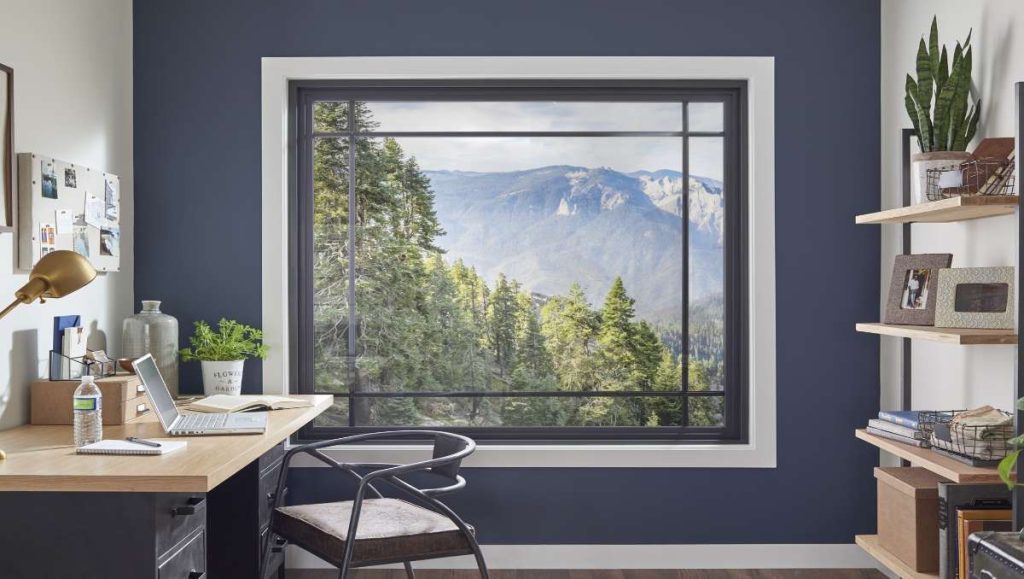
As more people blend work and home life, the living room has quietly become a common spot for remote work. Nearly 20% of home-based workers report using their living or family room as the primary location for work. This is a reminder that many homes simply weren’t designed with a dedicated office in mind. Placing a desk in living room areas can offer the benefit of natural light and proximity to daily life, but it also raises important questions about focus, comfort, and how work zones coexist with relaxation spaces.
This shift has ripple effects on both productivity and wellbeing. Without thoughtful planning, the blurred boundaries between work and leisure can lead to distractions and reduce the psychological separation we often need to “clock out.” Recognising how your living room functions as a workspace is the first step toward creating a layout that supports both work and everyday life without feeling cluttered or chaotic.
Core Principles of a Functional Living Room Desk Layout
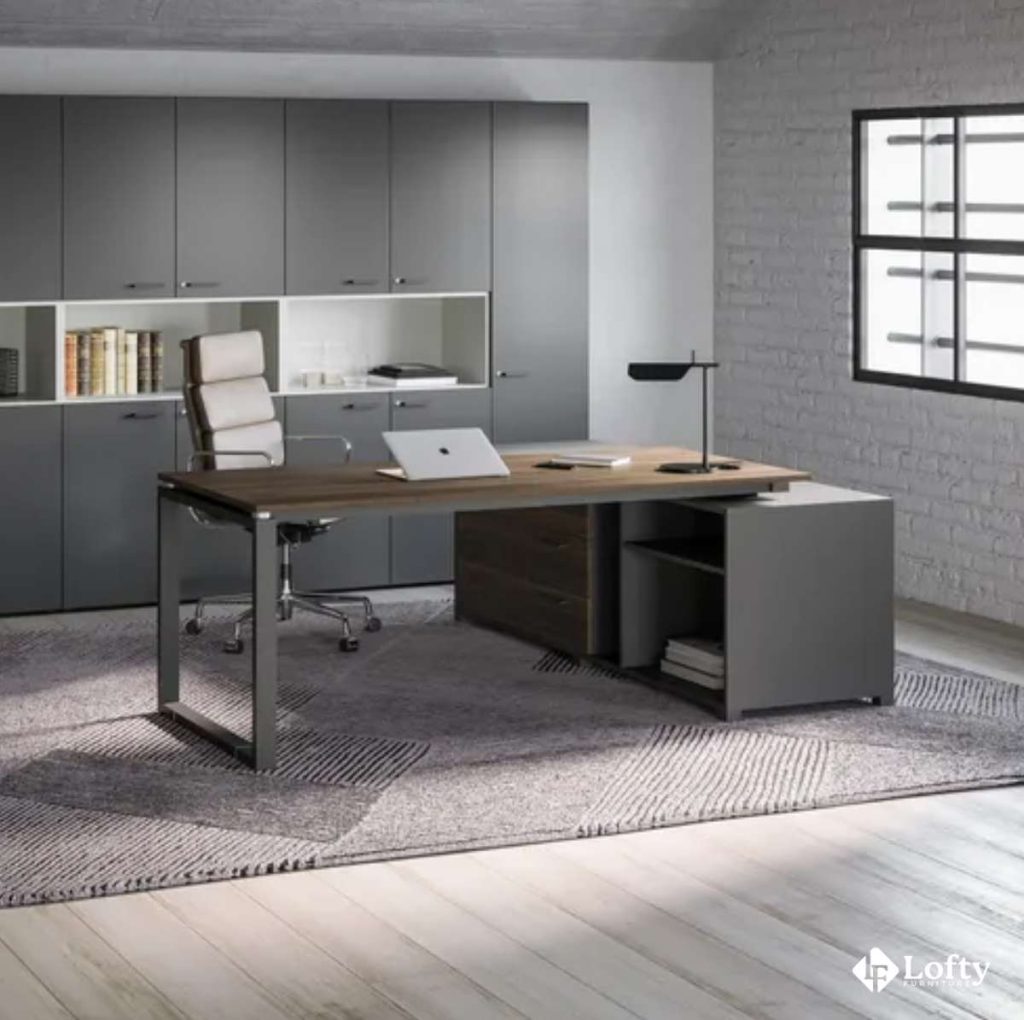
Creating a functional desk layout in a living room comes down to balance. You want a workspace that feels intentional without disrupting the natural flow of the room. Start by subtly defining zones so the desk area feels separate from the lounge space without adding walls or bulky dividers. A rug, smart furniture placement, or positioning the desk behind a sofa or next to a bookcase can create a clear separation while keeping the room open and cohesive. Pay attention to sightlines and visual balance so the desk does not overpower the space. The visual weight and size of the desk and chair should feel proportionate to the sofa and surrounding furniture.
At the same time, do not sacrifice comfort for style. Even in a shared living area, your desk setup should support proper posture and keep your screen at eye level. Choose a desk and chair that meet ergonomic needs while still complementing the overall look of the room. When done right, the workspace feels like a natural extension of the living room rather than something that was squeezed in as an afterthought.
Best Office Desk Options for Living Room Use
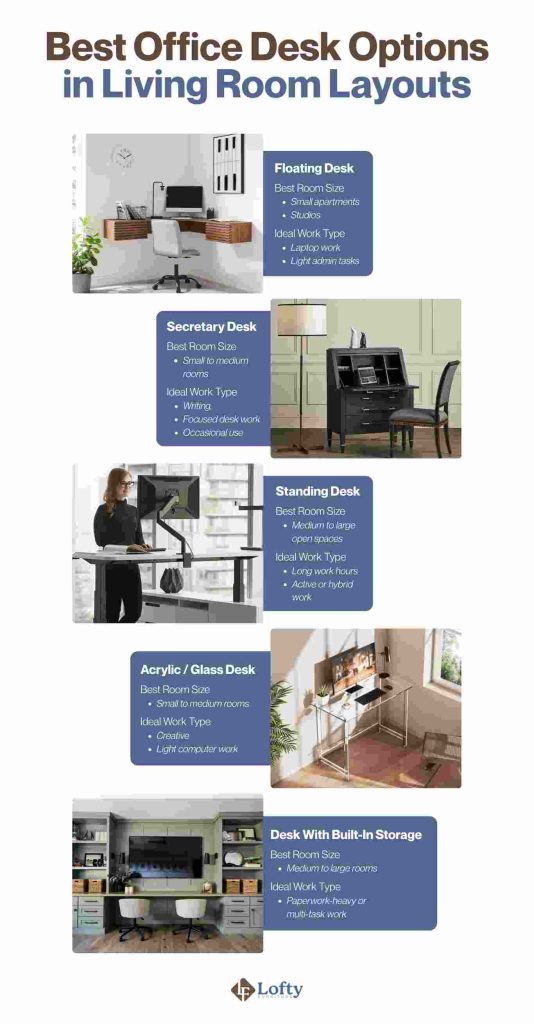
From minimalist to multifunctional, below are versatile desk styles that work well in living rooms, and what makes each one a smart choice.
1. Floating Desk for Small Spaces
A floating desk mounts directly to the wall, freeing up floor space and creating a clean, minimalist look that doesn’t clutter the living room. This option is ideal for tight layouts where every inch counts. It visually opens up the room while still giving you a dedicated surface for work. Because it doesn’t have legs or a bulky frame, a floating desk feels lighter in the space and lets furniture flow around it more organically.
2. Secretary Desk for Style and Function
The classic secretary desk is perfect when you want a workspace that can hide away at the end of the day. These desks feature a hinged writing surface and built-in storage cubbies, which means your laptop and papers can be neatly tucked out of sight. In a living room, a well-chosen secretary desk can double as an accent piece.
3. Standing Desk for Health and Flexibility

A standing desk in the living room lets you alternate between sitting and standing throughout the day, which can be great for posture and energy levels. Modern electric or adjustable-height versions blend seamlessly with contemporary interiors, offering a sleek silhouette that doesn’t read like bulky office furniture.
Upgrade your living room with an Amish adjustable desk that blends timeless craftsmanship with modern ergonomics for a seamless work-from-home setup.
4. Acrylic or Glass Desks for Visual Lightness
Clear acrylic or glass desks are ideal when you don’t want your workspace to visually dominate the living room. Their transparent surfaces let light pass through, making the area feel more open and less crowded, especially useful in smaller apartments or rooms with limited light. These desks pair well with a variety of styles, from modern to eclectic, and keep your workspace looking airy rather than heavy.
5. Desks With Built-In Storage
For those who need a bit more organization, desks with built-in storage like drawers, shelves, or cubbies combine practicality with style. They help keep papers, accessories, and tech clutter neatly stowed while maintaining a clean desktop. In a living room, this type of desk becomes a multi-purpose piece that supports productivity without compromising on tidiness or design coherence.
Easy Desk Layout Ideas for Your Living Room
Where you place your desk can matter just as much as the desk itself. The following placement strategies are practical, apartment-friendly, and designed to help a desk in living room settings blend in rather than stick out.
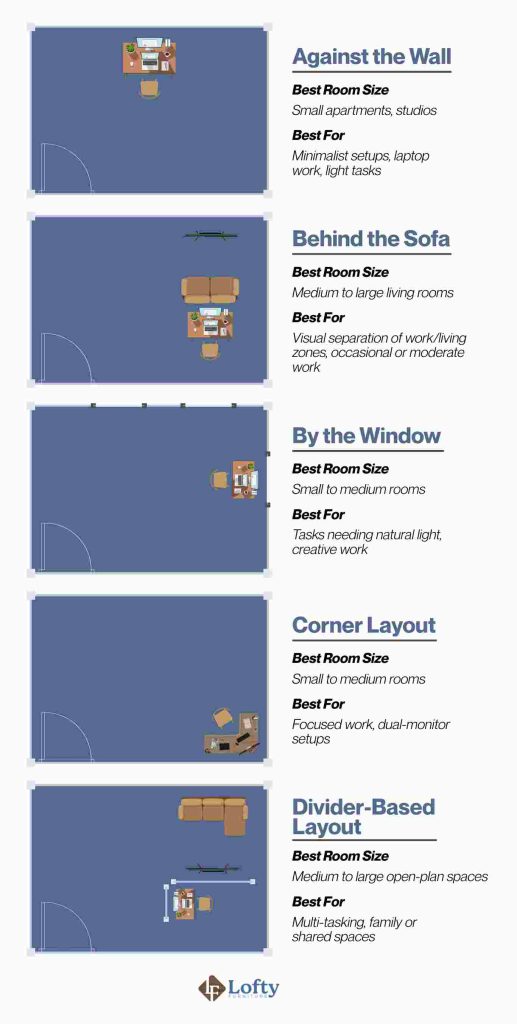
Against the Wall (Most Space-Efficient Option)
Placing the desk against a wall is the most straightforward and space-efficient layout, especially in smaller apartments. It keeps walkways clear and allows the rest of the furniture to remain focused around the living area’s main function. This setup works well with slim desks or floating desks.
Behind the Sofa (Floating Desk Layout)
Positioning a desk behind the sofa creates a natural separation between the living and working zones without adding visual clutter. The sofa acts as a soft divider, helping the desk feel intentional rather than improvised. This layout works best with narrow desks or console-style desks that align with the sofa’s height.
By the Window (Natural-Light-First Layout)
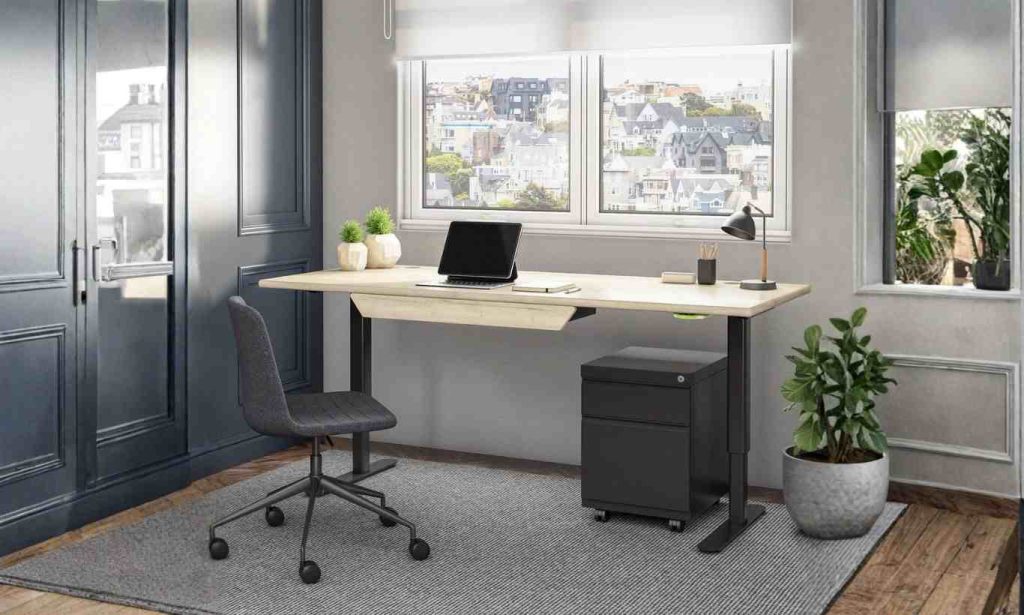
Placing the desk near a window prioritizes natural light, which can improve focus and reduce eye strain during the workday. This layout is ideal for tasks that require concentration or creativity. To keep the living room cohesive, choose a desk that doesn’t block the window view and position the screen to minimize glare.
Corner Desk Layouts
Corner layouts take advantage of underused space and help tuck the workspace neatly out of the way. A corner desk can make the desk area feel more contained, which is useful in open-plan living rooms where boundaries are less defined. This approach works especially well with L-shaped desks or compact desks paired with wall-mounted storage.
Divider-Based Layouts Using Furniture
Using furniture as a divider such as a bookcase, console table, or open shelving unit creates a clear but flexible boundary between work and living zones. This layout allows the desk to feel more like a dedicated workspace while maintaining openness and airflow. In a desk in living room setup, divider-based layouts are especially effective in larger spaces where zoning helps maintain visual order without closing off the room.
Desk Size and Dimension Guidelines for Living Rooms
Choosing the right desk size is less about maxing out surface area and more about maintaining balance within the living room. A well-proportioned desk supports comfortable work without interrupting walkways, seating arrangements, or sightlines. In apartment settings especially, the goal is to fit the workspace into the room’s rhythm rather than letting it take over.
The table below provides practical dimension ranges that work well for most desk in living room setups, whether the desk sits against a wall, behind a sofa, or near a window.
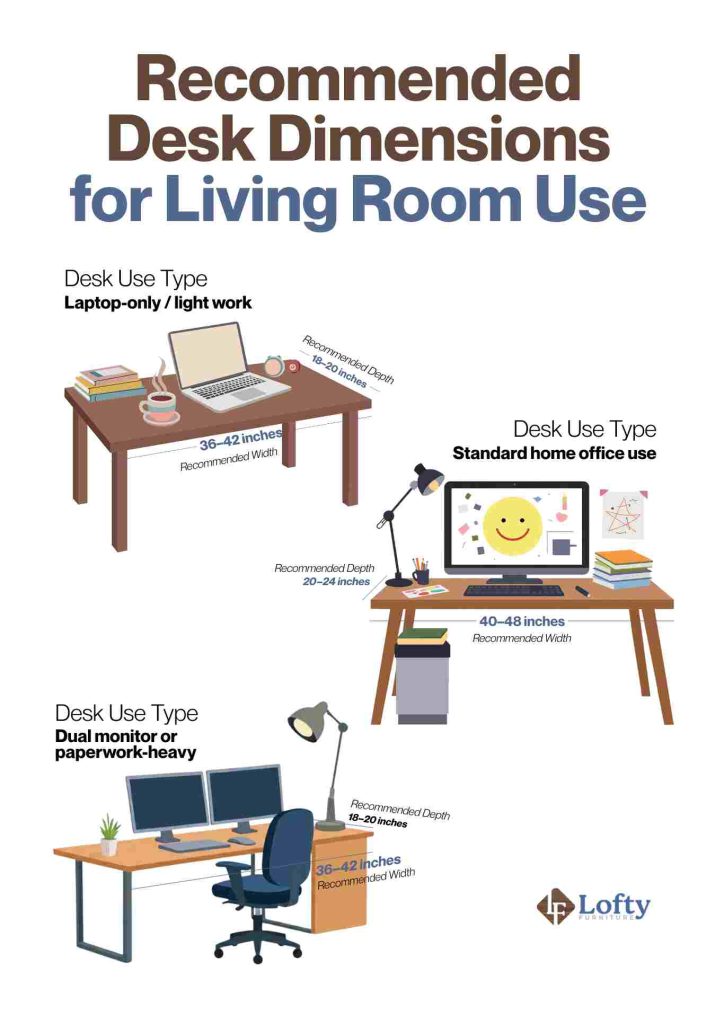
Just as important is how the desk’s dimensions relate to nearby furniture. Ideally, the desk should be no deeper than the sofa’s seat depth when placed behind it, and no wider than nearby media consoles or shelving when positioned along a wall. These proportional cues help a desk in living room settings feel visually aligned with the rest of the furniture.
Common Living Room Desk Layout Mistakes to Avoid
Even a well-chosen desk can feel awkward in a living room if the layout isn’t thought through. Avoiding the following issues will help your desk in living room setup feel intentional rather than improvised.
- Blocking natural movement paths: A desk should never interrupt the natural flow between seating areas, doors, or balconies.
- Competing with the room’s main focal point: Placing a desk directly in front of the TV, fireplace, or largest window creates visual tension.
- Using office furniture that’s out of scale: Oversized office chairs, deep desks, or bulky drawer units can overpower a living room.
- Ignoring lighting and screen orientation: A good layout considers both daytime light and evening task lighting so the workspace remains comfortable throughout the day.
- Failing to define the work zone at all: Without some form of visual zoning like a rug, furniture alignment, or shelving, the desk can feel like it’s floating awkwardly in the room. Subtle boundaries help mentally separate work from relaxation.
Conclusion: Making a Living Room Workspace Work
Incorporating a desk in your living room doesn’t have to feel like a compromise between work and home life. With thoughtful planning, it’s possible to create a space that is both functional and visually harmonious. Choosing the right desk, whether it’s a floating desk for minimalism, a secretary desk for hidden storage, or a standing desk for health, ensures that your workspace fits the room’s proportions and supports your work style. Ultimately, the key is intentionality: every desk, chair, and accessory should feel like it belongs to the room rather than intrudes upon it.
Frequently Asked Questions
Where should a desk be placed in an open-concept living room?
Ideally, the desk should be positioned to create a subtle boundary between work and living zones. Options like behind a sofa, in a corner, or using a bookshelf as a divider can help define the workspace without interrupting the room’s flow.
How do you keep a living room desk from looking cluttered?
Use desks with built-in storage, drawer organizers, or baskets to hide paperwork and tech accessories. Minimalist décor and cable management solutions can also make the workspace feel tidy.
Can a living room desk still be ergonomic for full-time work?
Yes — choosing a desk and chair with adjustable height, proper monitor positioning, and enough surface space ensures ergonomic support. Even in stylish setups like acrylic desks or secretary desks, you can maintain good posture and comfort without sacrificing aesthetics.
How can I manage noise distractions if my partner or kids are using the living room while I work?
Noise-canceling headphones, white-noise machines, or placing the desk in a less trafficked area of the room can help. Consider using furniture or rugs to absorb sound and clearly communicate your work hours to household members.