
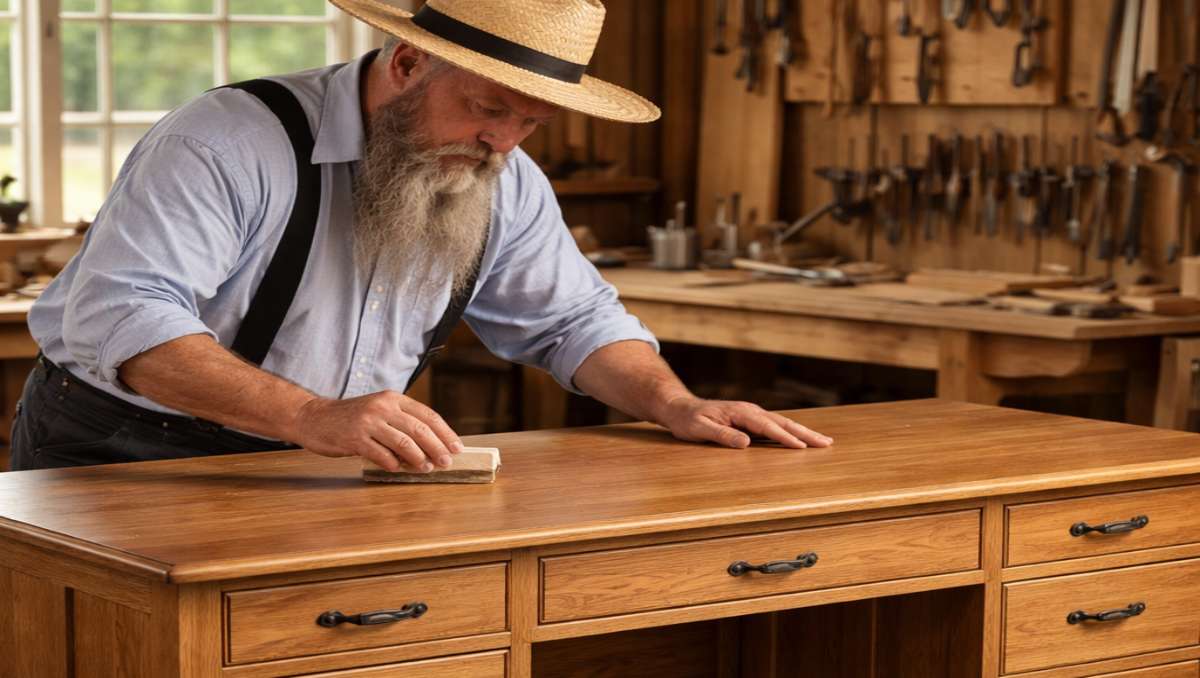
Choosing furniture for your home office is about more than style. You need pieces that hold up to daily use, support your work, and still look good years from now. That is why genuine Amish furniture is so appealing. It offers durability, craftsmanship, and timeless design that mass-produced furniture often cannot match. The challenge is that not everything labeled Amish is truly authentic. Many products borrow the look without the quality.
Key Takeaways:
- To identify genuine Amish furniture for your home office, look for solid hardwood, traditional joinery like dovetail or mortise-and-tenon, smooth finishes, and made-to-order U.S. craftsmanship.
- Authentic Amish furniture uses durable wood, smooth finishes, quality hardware, and sturdy, well-balanced drawers and doors.
- Although more expensive upfront, genuine Amish furniture is a long-lasting investment that improves with time.
In this article, you’ll learn how to recognize real Amish furniture by understanding key characteristics such as materials, construction methods, and quality details that set authentic pieces apart from imitations.
Step 1: Understand What Truly Defines Genuine Amish Furniture
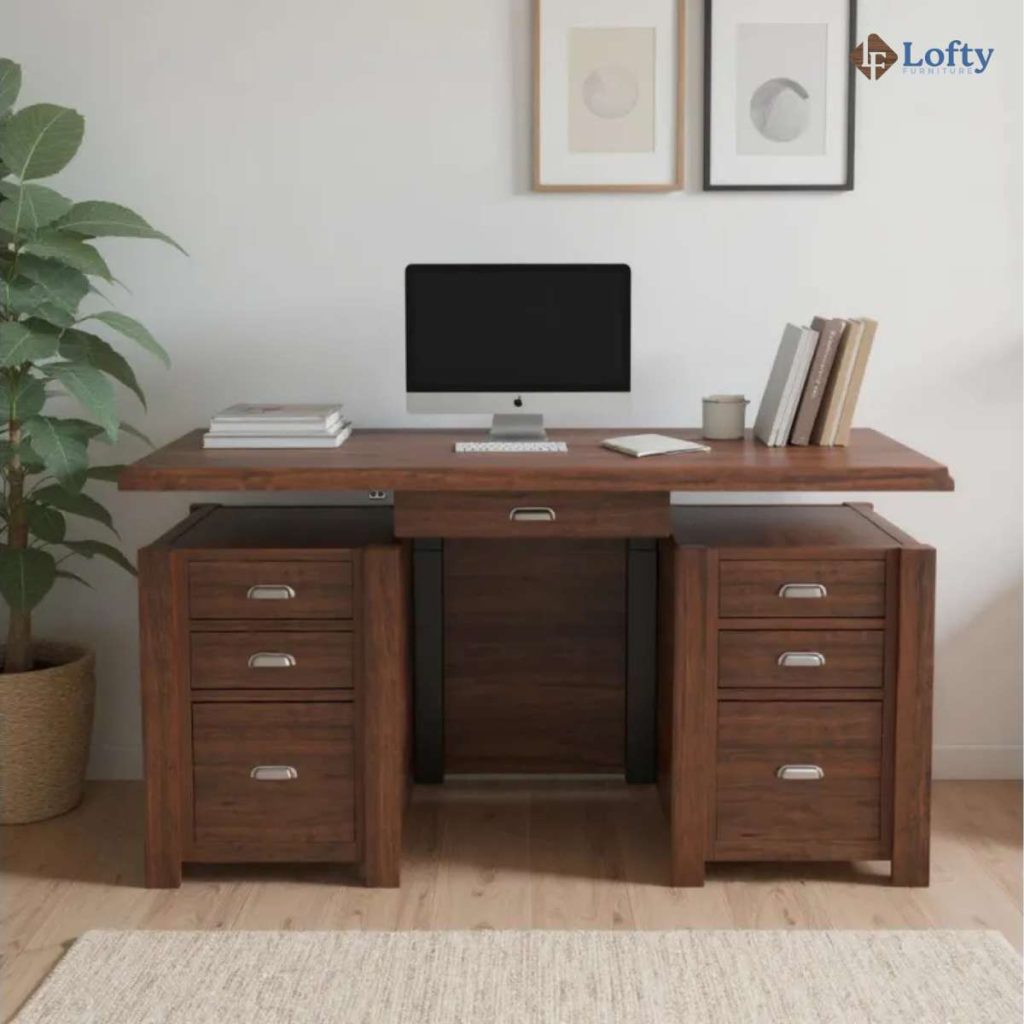
Genuine Amish furniture is built with a focus on craftsmanship, not speed. It is typically handcrafted or bench-built using traditional woodworking techniques that have been passed down through generations. The emphasis is always on quality materials and long-term durability.
Rather than fleeting trends, Amish furniture designs are meant to last decades. Understanding this philosophy helps you recognize that genuine Amish furniture is about how it is made, not just how it looks.
Step 2: Check the Materials and Construction Quality
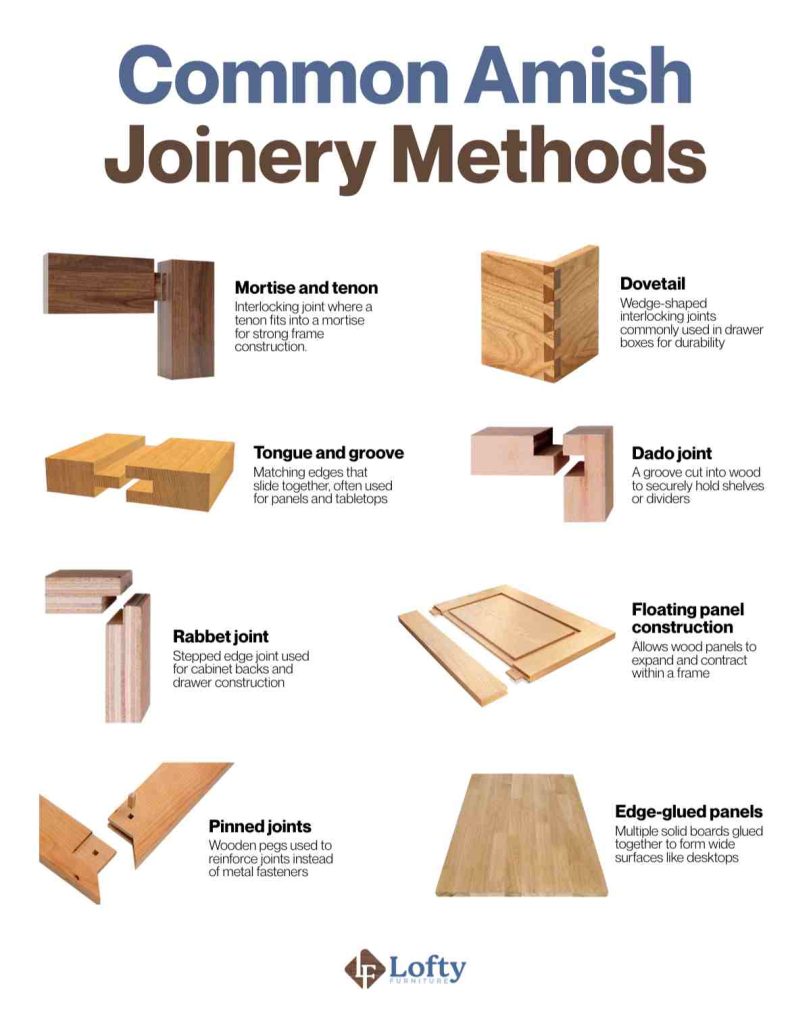
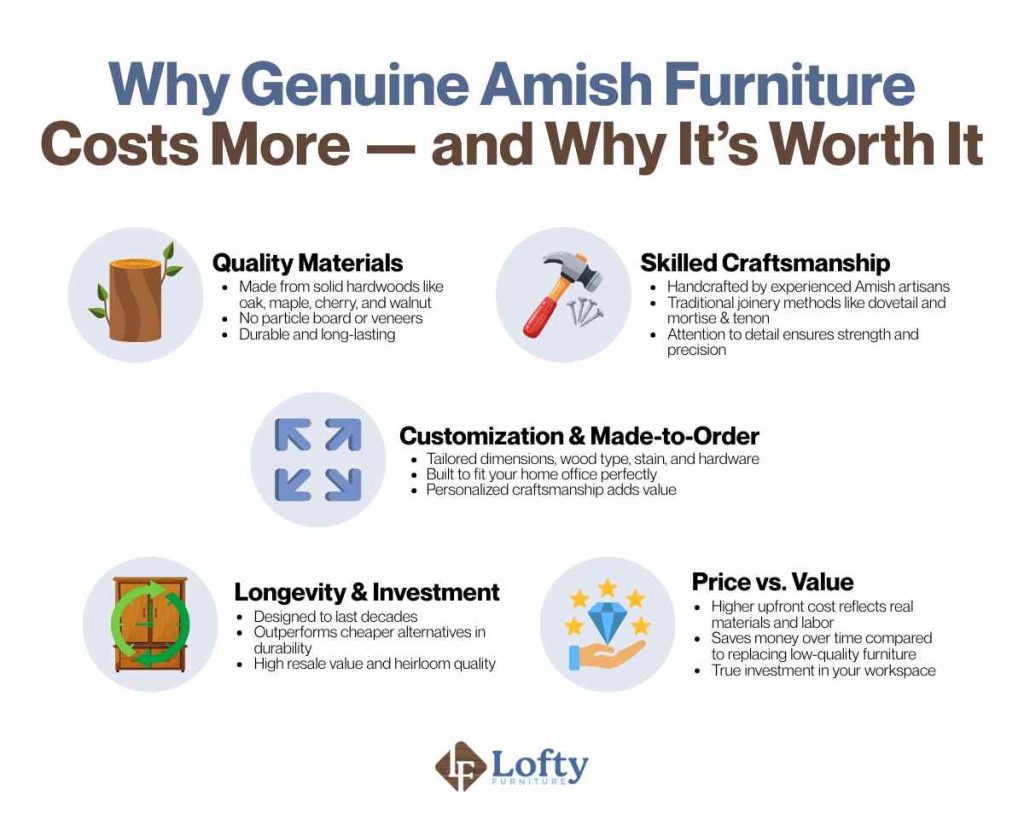
Genuine Amish furniture is built from solid hardwoods such as oak, maple, cherry, mahogany, walnut, and hickory—not particle board or MDF. These woods give the furniture noticeable weight, durability, and naturally varied grain patterns. Just as important is how the piece is constructed. Authentic Amish craftsmanship relies on traditional joinery methods like dovetail joints and mortise-and-tenon connections, which create strong, long-lasting bonds without nails or staples. Together, solid hardwood materials and time-tested construction ensure furniture that can withstand daily use, especially in a home office setting.
Step 3: Inspect the Finish and Small Details Closely
The finish on genuine Amish furniture is carefully applied to enhance the natural wood, not hide it. Surfaces should feel smooth and even, with consistent color and visible grain. Rough spots or uneven staining are signs of rushed production.
Pay attention to details like edges, corners, and hardware. High-quality hinges and drawer slides are chosen for function and longevity. These small details make a big difference in a home office setting.
Step 4: Look for Customization and Made-to-Order Options
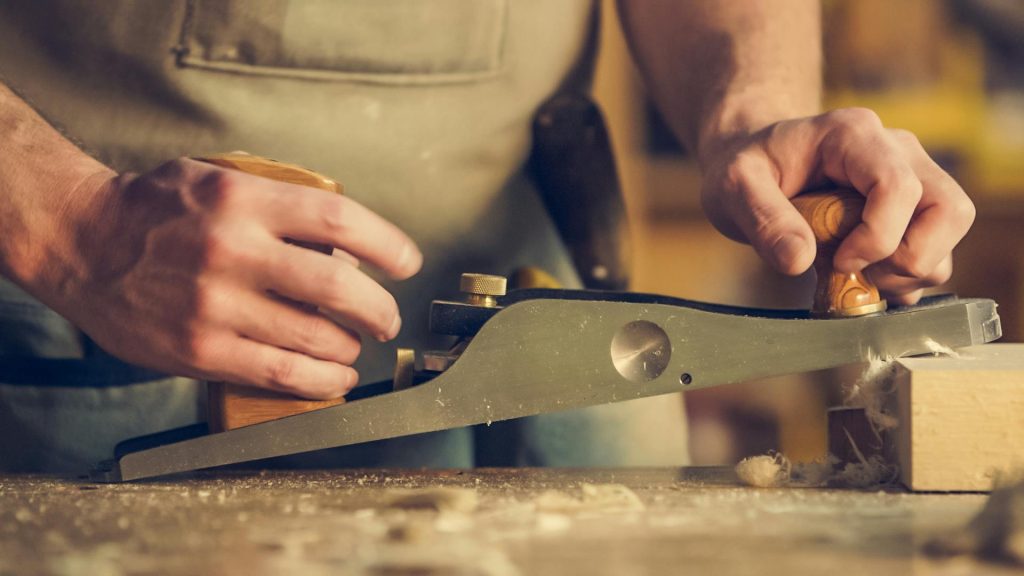
Customization is a strong sign you are looking at genuine Amish furniture. Many authentic pieces are made to order, allowing you to choose wood type, stain color, hardware, and even dimensions.
This flexibility is especially valuable for home offices, where space and storage needs vary. Furniture built specifically for your room and workflow reflects the care and craftsmanship behind Amish furniture.
Bring genuine Amish craftsmanship to your home office with a custom-made piece. Order now and design your perfect furniture.
Step 5: Confirm Origin and Seller Transparency
Genuine Amish furniture is made in the United States, typically in or near Amish communities, and reputable sellers are upfront about where and how each piece is produced. Clear product descriptions should explain whether the furniture is Amish-made or Amish-crafted and detail the materials and construction methods used. If a retailer cannot clearly verify the origin or relies on vague phrases like “Amish style” or “Amish inspired,” that is a warning sign. Sellers of authentic Amish furniture are transparent and confident in answering questions because they stand behind their craftsmanship and quality.
Step 6: Compare the Price to Typical Amish Furniture Costs
Genuine Amish furniture costs more than mass-produced options, and for good reason. Solid hardwood, skilled labor, and customization all contribute to the price.
If a piece seems unusually inexpensive, it is likely not authentic. While the upfront cost may be higher, genuine Amish furniture often proves to be a better value over time because it lasts so much longer.
Conclusion: Invest Confidently in Genuine Amish Furniture
Identifying genuine Amish furniture does not have to be complicated. By focusing on materials, construction, customization, transparency, and price, you can quickly separate authentic craftsmanship from imitations. Each step helps you make a more informed and confident decision.
For a home office, genuine Amish furniture offers reliability, comfort, and long-term value. When you choose pieces built with care and integrity, you are not just buying furniture. You are creating a workspace designed to support you for years to come.
Frequently Asked Questions
Is Amish furniture eco-friendly?
Most Amish furniture is made from sustainably sourced hardwoods like oak, cherry, and maple. Because it’s handcrafted, there’s very little waste, and many pieces use water-based or natural finishes, making them much greener than mass-produced furniture.
How long does Amish furniture typically last?
Amish furniture can easily last decades or even generations. Solid hardwood, traditional joinery, and careful craftsmanship mean these pieces stay strong and often look even better as they age.
Does Amish furniture require special maintenance?
Not really. Just dust regularly with a soft cloth, avoid harsh chemicals, and occasionally apply wood polish or oil to keep the finish looking great. Keeping it out of direct sunlight and away from extreme humidity helps it stay beautiful and sturdy for years.