
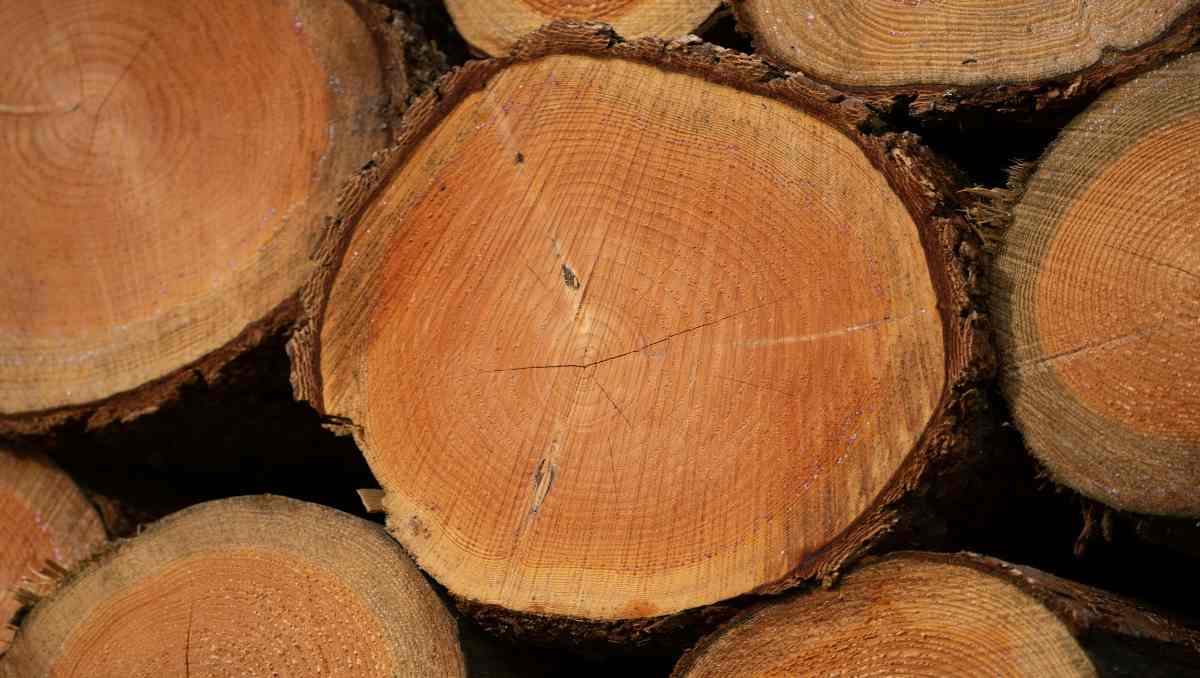
When choosing wood for a desk or tabletop, durability is just as important as appearance. One of the most reliable ways to compare wood strength is through the Janka hardness rating, which measures how resistant a wood species is to dents and wear. This rating is especially useful for desks, where the surface is exposed to constant pressure from computers, writing, and daily movement. Using a Janka hardness rating chart makes it easier to see how different hardwoods perform and which ones are better suited for long-term desk use.
Key Takeaways:
- The Janka hardness rating measures how resistant a wood is to dents and wear.
- Hardwoods with higher Janka ratings, like oak and maple, handle daily desk use without easily denting or scratching.
- Choose wood based on desk type—high-traffic, executive, or custom—for the right balance of durability and style.
In this guide, we’ll break down what the Janka hardness rating means, how to read a Janka hardness rating chart, and how to use it to choose the best hardwood for your desk.
What Is the Janka Hardness Rating?
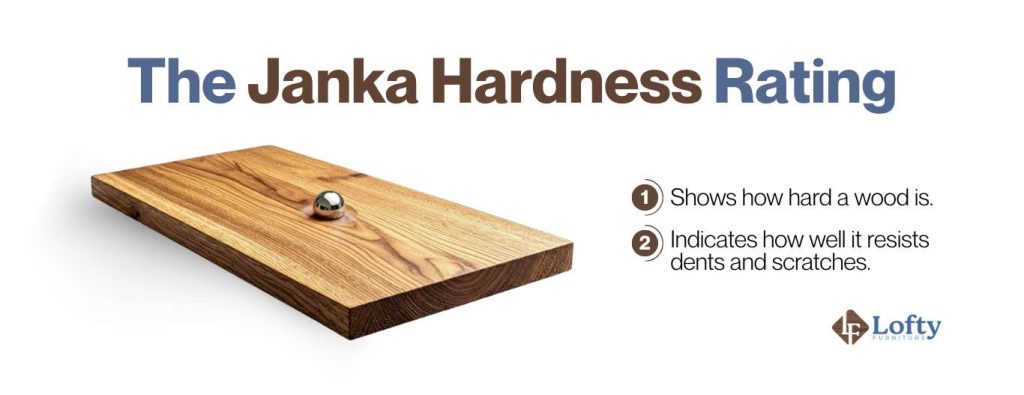
The Janka hardness rating originated in the early 1900s in the United States, developed by Gabriel Janka, an Austrian-born wood researcher working with the U.S. Forest Service. It is named after him because he created the test to give a consistent, comparable way to measure wood hardness.
The rating measures the force required to press a 0.444-inch steel ball halfway into a piece of wood, reported in pounds-force (lbf). Its purpose was to help builders and manufacturers compare wood species based on how well they resist denting and wear, which is why it’s still widely used today for furniture, flooring, and desks.
Comparing Popular Hardwoods for Desks Using the Janka Rating
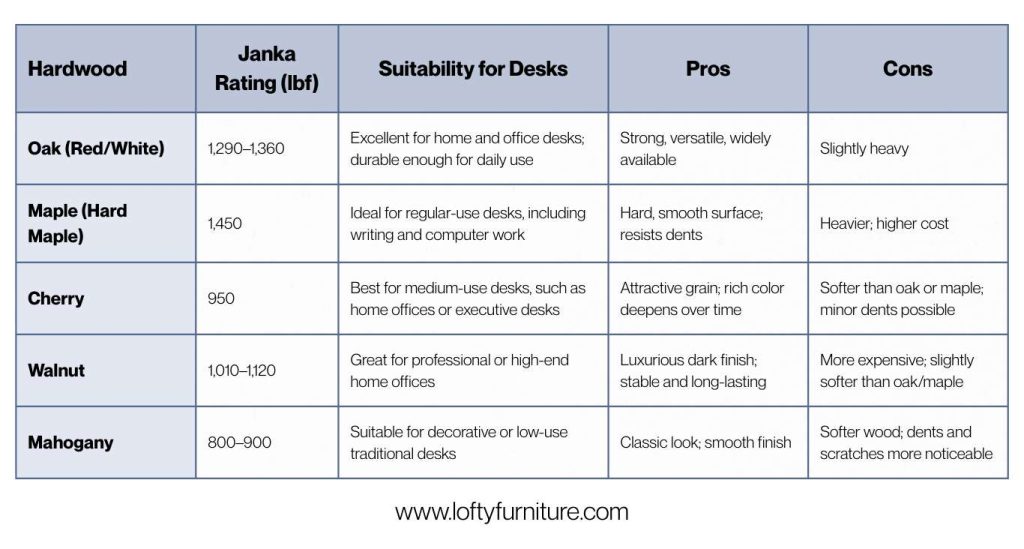
Choosing the right wood for a desk isn’t just about looks—it’s about how well the surface will hold up to everyday use. From typing and writing to supporting monitors and office equipment, a desk takes constant pressure in concentrated areas. The Janka hardness rating provides a practical way to compare hardwood types, helping you understand which species can withstand daily wear without losing their beauty.
Below is a guide to some of the most popular hardwoods for desks, their Janka ratings, and how suitable they are for different types of desk use.
Factors That Affect Wood Hardness Beyond the Janka Rating
While the Janka rating measures wood’s resistance to dents, other factors also affect a desk’s durability. Understanding these can help you choose wood that lasts.
Grain Direction: Wood is harder when pressure is applied perpendicular to the grain. Straight, tight grains are stronger and more resistant to scratches and dents, making them ideal for desk surfaces.
Moisture Content: Too much moisture makes wood soft, while overly dry wood can crack. Hardwood desks are best at 6–8% moisture content for stability and durability.
Wood Age: Older, mature trees produce denser, harder wood. Young or fast-grown trees may be softer and less durable, making mature wood a better choice for heavy-use desks.
Type of Cut
- Flat-Sawn: Common and cost-effective, but can warp over time.
- Quarter-Sawn: More stable, harder, and less prone to warping, ideal for high-quality desks.
Finishing Techniques: Finishes like polyurethane, lacquer, or oil protect the wood from scratches, dents, and moisture, while also enhancing its natural beauty.
How to Choose the Right Wood for Your Desk Based on Janka Ratings
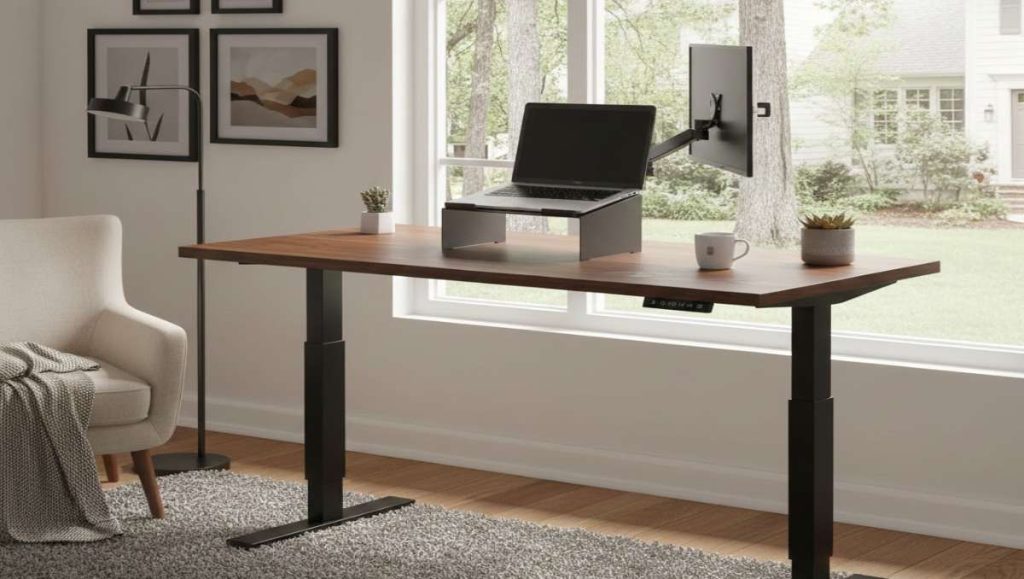
For desks that see heavy daily use, like home offices or shared workspaces, aim for hardwoods with a Janka rating above 1,000. Woods like maple, oak, and walnut hit the sweet spot: they’re hard enough to resist dents from keyboards, writing, and monitors, but not so rigid that they’re difficult to work with or overly heavy. These woods age gracefully, maintaining their look even with constant use.
To make this easier, here’s a practical guide showing common desk woods, their Janka ratings, and what they’re best suited for:
High-Traffic Desks: Oak and Maple
Desks that see heavy daily use, such as student desks, home offices, or shared workstations, require woods that are exceptionally hard and durable. Oak and maple are ideal for this purpose because both have high Janka ratings that resist dents and wear over time. Oak provides strength with an attractive, pronounced grain that adds a classic, timeless look, while maple offers a smooth, light-colored surface that works beautifully in both modern and traditional office designs. Together, these woods create desk surfaces that can handle constant activity while maintaining their appearance for years.
Executive Desks: Walnut and Mahogany

For executive or statement desks, aesthetics are just as important as durability, and walnut and mahogany excel in both areas. Walnut, with its rich chocolate-brown tones and solid Janka rating, offers elegance while resisting everyday wear, making it perfect for high-end home or office desks. Mahogany, slightly softer but still durable, provides warm reddish hues and a polished finish that conveys sophistication. These hardwoods combine strength and visual appeal, making them ideal choices when the desk is meant to impress as much as it functions.
Custom Desks for Unique Needs: Cherry and Maple
For desks tailored to specific preferences or specialized uses, cherry and maple offer a balance of durability and character. Cherry wood starts with a light reddish tone that deepens beautifully over time, with a moderate Janka rating that makes it durable enough for daily writing, computer work, or general use. Maple brings versatility and hardness that supports custom designs, including inlays, special finishes, or unusual dimensions, while still resisting wear. These hardwoods allow you to create a custom desk that is both functional and visually distinctive, handling the demands of your workspace without compromising longevity.
You might also want to compare walnut vs cherry wood for custom furniture desk.
Conclusion
Choosing the right wood for your desk is about more than appearance—it’s about durability, functionality, and long-term satisfaction. The Janka hardness rating provides a reliable benchmark for how well a hardwood can resist dents, scratches, and everyday wear, helping you make informed decisions that go beyond surface beauty. By understanding how different species perform—whether it’s the enduring strength of oak and maple for high-traffic desks, the elegance and resilience of walnut and mahogany for executive setups, or the character and versatility of cherry and maple for custom projects—you can select a wood that fits your workspace needs and aesthetic preferences.
Frequently Asked Questions
Is 1290 a good Janka rating?
Yes. A Janka rating of 1,290 falls in the medium-hardwood range. This makes it durable enough to resist dents and scratches from daily use while still feeling comfortable for writing, typing, and resting your arms on the desk. Woods like Red Oak fall into this category and are ideal for most home and office desks.
Does the Janka hardness rating affect how a desk feels to the touch?
Yes. Harder woods feel firmer and more solid under your hands or arms, which can be less forgiving during long periods of writing or typing. Softwoods feel warmer and more comfortable but are easier to dent. Medium-hard woods often provide the best balance between comfort and durability.
Does wood hardness affect how a desk ages over time?
Absolutely. Harder woods resist dents, scratches, and daily wear, helping the desk maintain a smooth, polished look for years. Softer woods may develop dings, scratches, or uneven surfaces more quickly, especially in high-use areas. Choosing a wood with the right hardness level ensures your desk ages gracefully.
Can climate or humidity change a wood’s Janka hardness?
While the Janka rating itself doesn’t change, wood can expand, contract, or warp depending on humidity and temperature. Moisture may make the surface slightly softer, while dry conditions can make it more brittle. Proper care, stable indoor conditions, and protective finishes help preserve both the wood and its durability.