
When it comes to furnishing your home on a budget, one question often pops up. What is the cheapest wood for furniture? The answer isn’t as simple as naming a single type of wood, because affordability comes hand-in-hand with durability, appearance, and long-term value. Choosing the wrong material might save you a few dollars upfront but could cost more in repairs or replacements down the line.
Key Takeaways:
- The cheapest wood includes softwoods like pine, poplar, Douglas fir, rubberwood, and birch, which are affordable and lightweight.
- Budget options also include engineered materials like MDF, particleboard, and construction-grade plywood.
- Inexpensive hardwoods such as alder, ash, beech, and budget-grade acacia provide a balance of durability, aesthetics, and cost.
In this guide, we’ll break down the most affordable wood options and help you decide whether going cheap is really worth it for your home.
What Counts as Cheap Wood for Furniture?
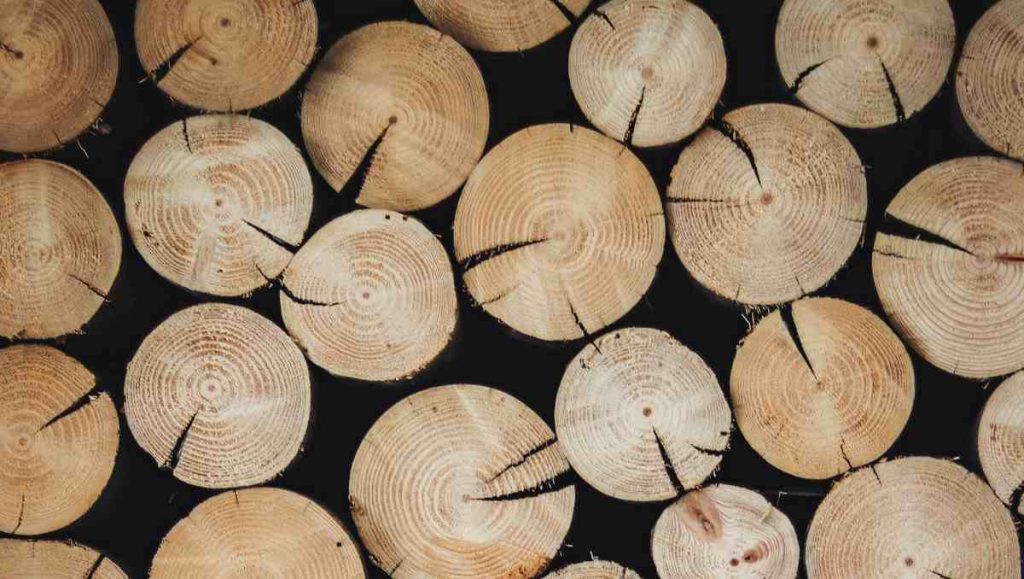
The cheapest wood are materials that are low-cost, widely available, and easy to work with. In furniture-making, “cheap” often refers to woods that aren’t rare or slow-growing, which keeps prices down. These woods are generally more affordable than hardwood lumber like oak, walnut, or cherry but they vary in strength, grain pattern, and how well they hold up over time.
It’s important to remember that “cheap” doesn’t always mean low quality. Some budget-friendly woods are perfectly functional for everyday furniture, especially if the piece won’t face heavy wear and tear. However, the trade-offs can show up in durability, susceptibility to dents or scratches, and how the wood ages. Understanding what counts as cheap wood helps you make smarter choices that balance cost with long-term satisfaction.
The Cheapest Woods Commonly Used for Furniture
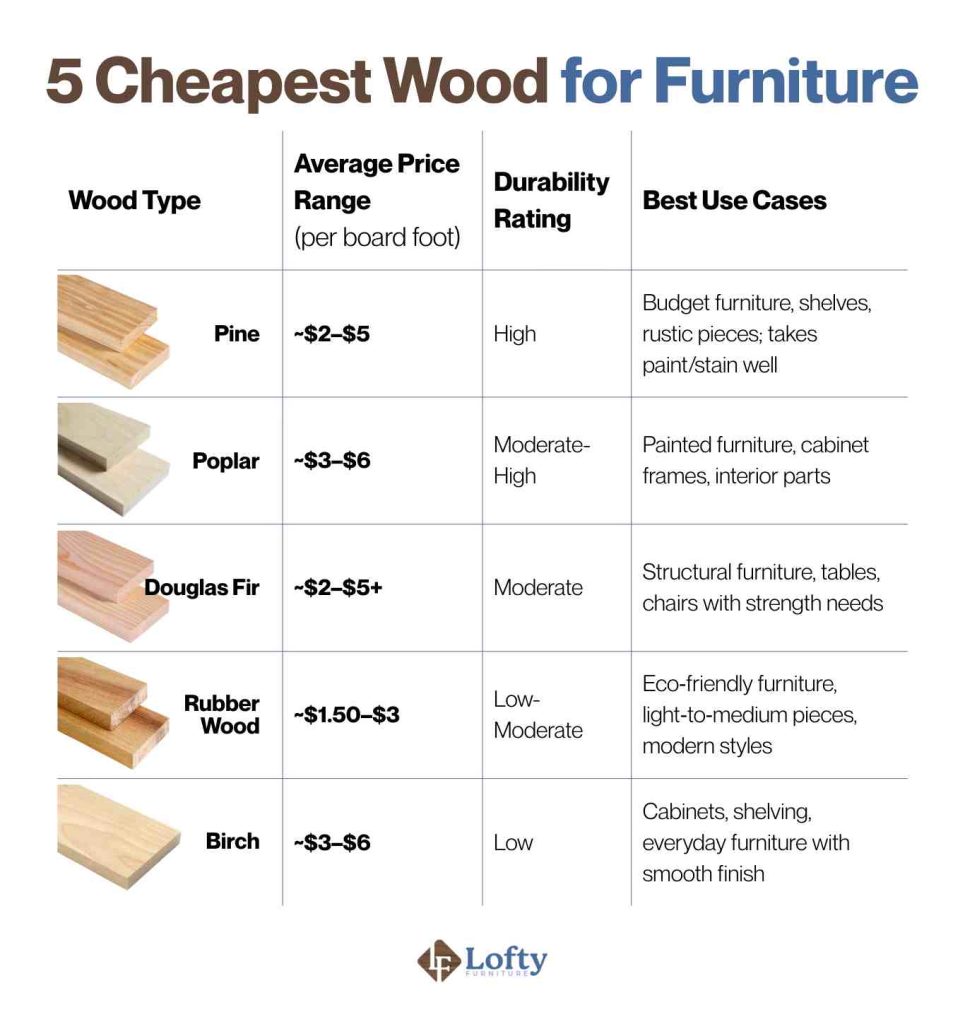
What is the cheapest wood for furniture? If you’re looking to furnish on a budget, knowing which budget softwoods give you the most value for your money is key.
1. Pine
Pine is one of the most popular budget-friendly woods. It’s soft, lightweight, and easy to shape, making it ideal for DIY projects and simple wooden furniture pieces. While it’s prone to dents and scratches, pine can be treated, painted, or stained to improve its durability and appearance, making it versatile for bedrooms or rustic-style furniture. Because it dents easily, it’s best to avoid using pine for high-traffic furniture like dining chairs unless it’s well-protected with paint.

2. Poplar
Poplar is slightly harder than pine and often comes with a straight, fine grain that takes paint well. It’s commonly used for painted furniture, cabinet frames, and drawer components. Poplar is inexpensive, easy to work with, and resists warping. However, its natural color can appear bland, so pieces are almost always painted.
3. Douglas Fir
Douglas Fir is stronger than pine and poplar, making it suitable for furniture that needs a bit more structural support. It has a warm, reddish-brown hue and an attractive grain pattern, though knots can be common. Its affordability and decent durability make it a favorite for bookcases, table tops, and chairs. When selecting pieces, it’s important to avoid large knots in weight-bearing furniture, as they can weaken structural integrity.
4. Rubberwood
Rubberwood, harvested from recycled rubber trees, is an eco-friendly, low-cost option. It has a light color and uniform texture that works well for modern or minimalist furniture designs. Rubberwood is resistant to shrinkage and warping, but being softer than most hardwoods, it may show wear more quickly on heavily used surfaces like dining tables or benches unless protected with a durable finish.
5. Birch
Birch is a fine-grained hardwood that comes at a low price compared to oak or maple. It’s strong and holds up well for cabinets, shelving, and everyday furniture. Birch has a pale color that can be stained or painted, making it a flexible option for both contemporary and traditional styles. When staining birch, a wood conditioner is recommended to avoid blotching and achieve an even finish.
Budget-Friendly Engineered and Reclaimed Wood Choices
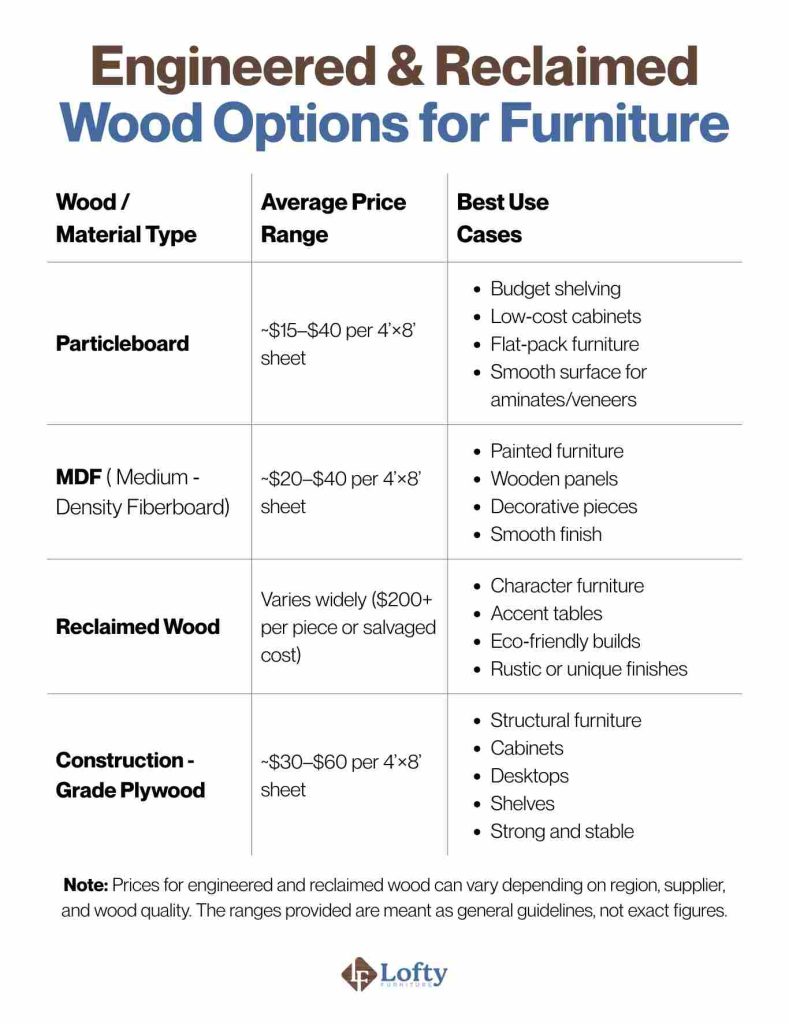
Affordable furniture doesn’t have to rely solely on natural solid wood. Engineered and pressure-treated options offer budget-friendly alternatives that are often easier to work with.
Particleboard and MDF
Particleboard and MDF (medium-density fiberboard) are made by compressing wood particles or fibers with adhesives. They’re extremely affordable and provide a smooth surface that’s ideal for painted furniture, cabinets, and shelving. While they aren’t as strong or long-lasting as solid wood, they are lightweight and resistant to warping.
Reclaimed Wood
Reclaimed wood comes from old furniture, barns, or construction materials and is often sold at a fraction of the price of new hardwood. Beyond cost savings, reclaimed wood adds character with unique grains, knots, and patina. It’s an eco-friendly option, but the quality can vary depending on the source.
Construction-Grade Plywood
Construction-grade plywood is made from multiple thin layers of wood veneer glued together, creating a strong and stable sheet. It’s cheaper than solid hardwood and can be used for cabinets, desks, and shelving. While it doesn’t have the aesthetic appeal of high-grade plywood, it can be veneered or painted to improve its appearance.
How Long Does Cheap Wood Furniture Last?
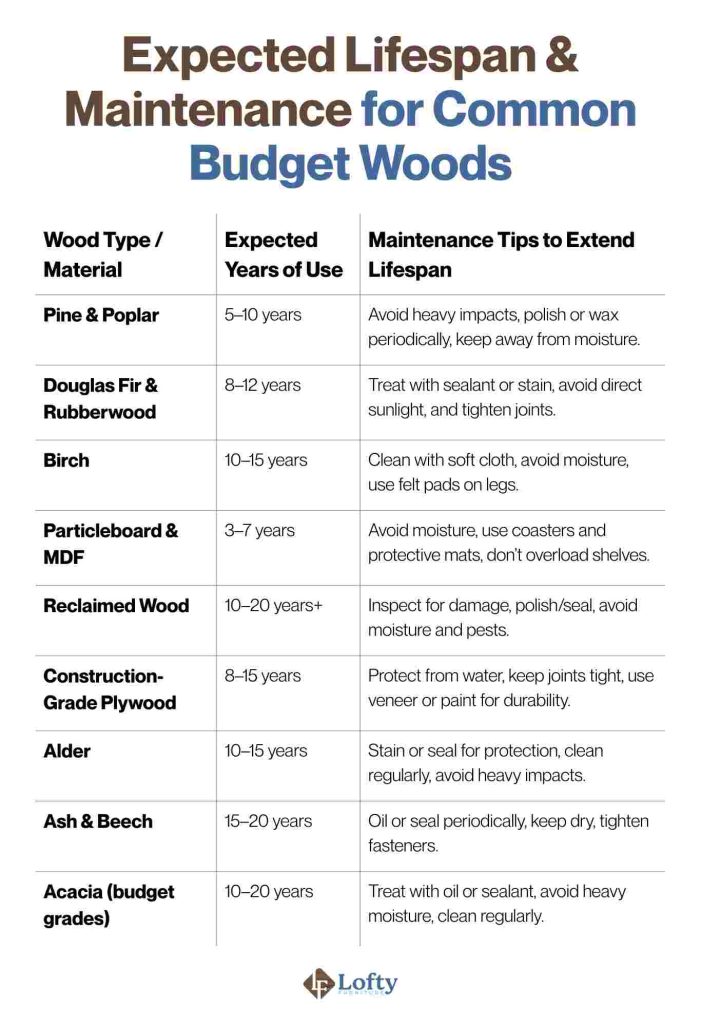
The lifespan of cheap wood furniture varies widely depending on the type of wood, construction quality, and how well it’s maintained. Softwoods like pine and poplar may show wear within 5–10 years, while engineered woods like MDF and particleboard can last 3–7 years before sagging, warping, or breaking under weight. Inexpensive hardwoods, though more resilient, can last 10–20 years if properly cared for.
Cheap furniture often fails early because manufacturers use thinner boards, weaker joints, or lower-quality adhesives to keep costs down. Exposed to heavy use, moisture, or uneven weight, these materials can split, warp, or loosen faster than solid, well-constructed pieces. Maintenance such as avoiding excessive moisture, tightening screws, and regular cleaning can significantly extend the life of budget furniture.
The table below outlines the expected lifespan and maintenance requirements for common budget woods, helping you plan for durability, care, and performance in your furniture choices.
Budget-Friendly Ways to Upgrade Cheap Wood Furniture
Even low-cost wood furniture can look stylish and last longer with a few smart upgrades. Here are practical ways to elevate your budget pieces without spending a fortune:
- Apply a Fresh Coat of Paint, Stain, or Protective Finish – Painting or staining cheap wood can completely transform its appearance. Sealants, varnishes, or clear coats help prevent scratches, moisture damage, and wear.
- Replace Hardware – Swapping out knobs, handles, and hinges on cabinets, drawers, or dressers can make inexpensive furniture look custom-made.
- Use Decorative Veneers or Contact Paper – Veneers, wood wraps, or high-quality contact paper can mimic the look of premium fine hardwoods without the high cost.
- Reinforce Weak Joints – Adding corner braces, screws, or wood glue can strengthen particleboard or softwood furniture, making it sturdier for daily use.
- Mix with High-Quality Accents – Pairing cheap wood furniture with metal legs, glass tops, or upholstered elements can elevate the overall aesthetic without replacing the entire piece.
While budget-friendly lumber is great for DIY projects, nothing beats the lasting value and expert craftsmanship of Amish handmade chairs. Skip the cheap wood search and invest in a timeless piece that is built to last for generations.
Final Verdict: Is the Cheapest Wood Worth It?
Choosing the cheapest wood for furniture isn’t inherently a bad decision. It all depends on your goals, budget, and expectations. For temporary setups, DIY projects, painted or laminated pieces, affordable woods like pine, poplar, MDF, or particleboard can be perfectly sufficient. They allow you to furnish your space without overspending and even give you room to get creative with upgrades and finishes.
However, if you’re looking for long-term investment pieces or furniture that will endure heavy use, it’s worth considering inexpensive hardwoods like ash, alder, or beech, or even mid-range solid woods. These options cost a bit more upfront but provide greater durability, aesthetics, and longevity. By understanding your needs and applying smart upgrades, you can enjoy functional, stylish, and cost-effective furniture, proving that cheap doesn’t always mean low quality.
Frequently Asked Questions
Does MDF furniture last as long as solid wood?
MDF is generally less durable than solid wood, especially under heavy use or in high-moisture areas. With proper care like avoiding water, using protective finishes, and limiting heavy loads, it can still serve well for several years, particularly in indoor furniture.
Can cheap wood furniture be refinished or repaired?
Yes! Softwoods, inexpensive hardwoods, and even engineered woods can be sanded, painted, or stained to refresh their look. Repairs like reinforcing joints or replacing hardware can also extend the furniture’s lifespan significantly.
Which cheap wood is the best for outdoor furniture?
Budget-friendly outdoor options include rubberwood and construction-grade plywood treated for moisture resistance. For DIY projects, pine or acacia (budget grades) can also work if sealed and maintained properly, though they may not last as long as premium outdoor hardwoods.