
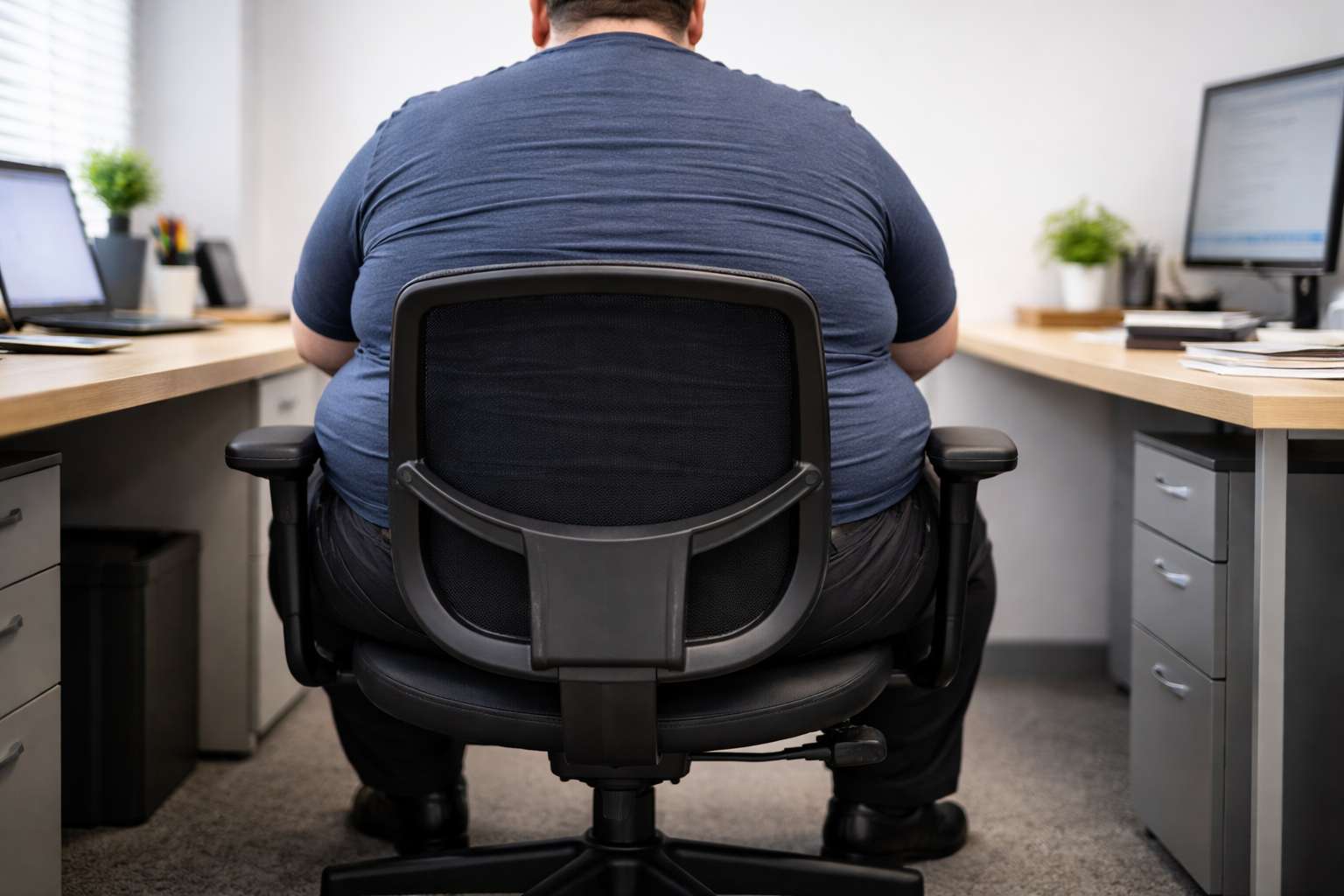
Sitting for long hours is already challenging, but it becomes even more uncomfortable when your chair is not built to properly support your body. Many standard chairs are designed with average users in mind. This is why choosing the right office chair for heavy person is not just about comfort, but also about maintaining proper posture and preventing strain.
Key Takeaways:
- The best office chair for heavy person supports 300–500 lbs with reinforced steel frames.
- Look for wide seats (20–24 inches) and high-density foam cushioning.
- A properly fitted chair improves posture, productivity, and long-term comfort.
In this guide, we will explore what to look for in a chair designed for heavier users and how ergonomic features can make a noticeable difference in daily comfort and long-term health.
What Defines an Office Chair for Heavy People?

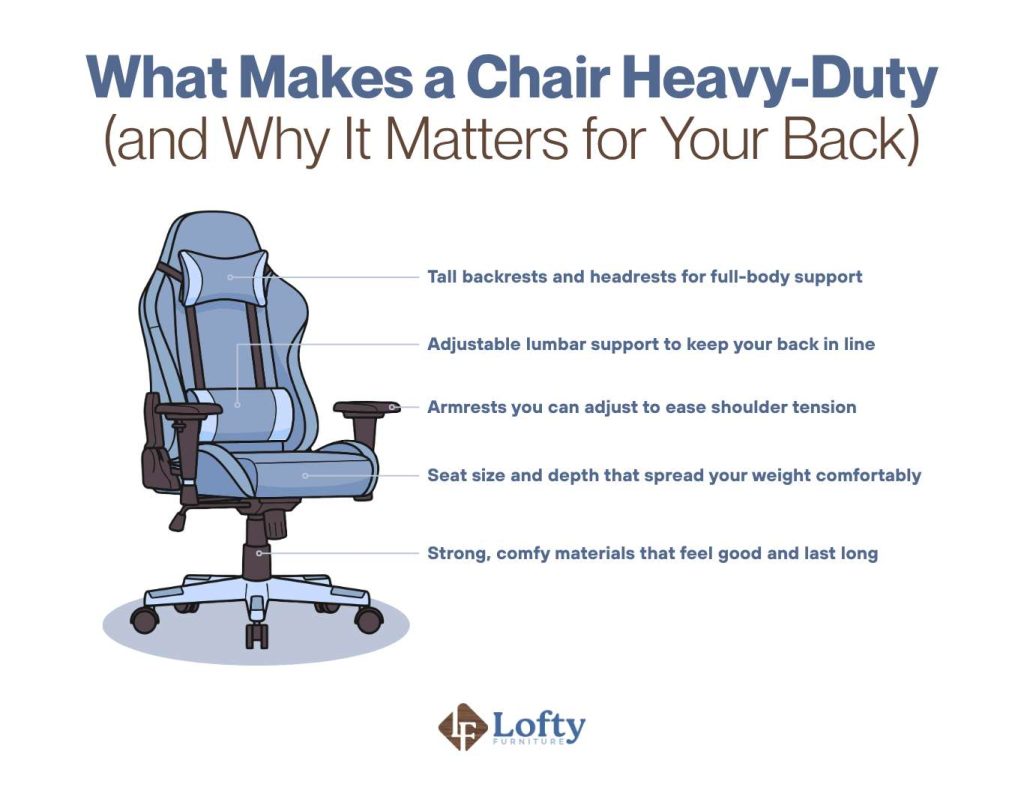
An office chair for heavy users is designed to support higher weight capacities, typically 300 to 400 pounds or more, while maintaining comfort and stability. Compared to standard chairs, it features reinforced frames, sturdy bases often with a 5-point design, and durable casters for added strength. Comfort remains essential, with wider, deeper seats, high-density cushioning, and strong armrests that provide balanced support. Many models also meet standards set by the Business and Institutional Furniture Manufacturers Association (BIFMA), ensuring reliable safety and long-term durability.
Key Ergonomic Features That Improve Comfort for Heavy Users
A well-designed chair does more than simply support weight. Here are the key ergonomic features that improve comfort for heavier users:
Adjustable Lumbar Support for Spinal Alignment
Proper lumbar support is key to keeping the natural curve of your lower spine and preventing back discomfort. Many chairs for heavier users come with adjustable lumbar support that can move up, down, or even in and out. Lumbar support can be static (a fixed cushion that stays in place) or dynamic, which adjusts as you shift positions or recline. Dynamic support tends to offer more comfort over long periods because it adapts to your movements.
Seat Depth and Width for Pressure Distribution
Wider and deeper seats allow for better weight distribution and give users enough room to sit comfortably without feeling restricted. Adjustable seat depth also ensures that your back stays in contact with the backrest while maintaining proper leg support. For heavier users, an ideal seat width is typically 20–24 inches, and a comfortable seat depth ranges from 18–22 inches, though adjustable models let you fine-tune these dimensions to match your body shape.
High Backrests and Headrests for Full Support
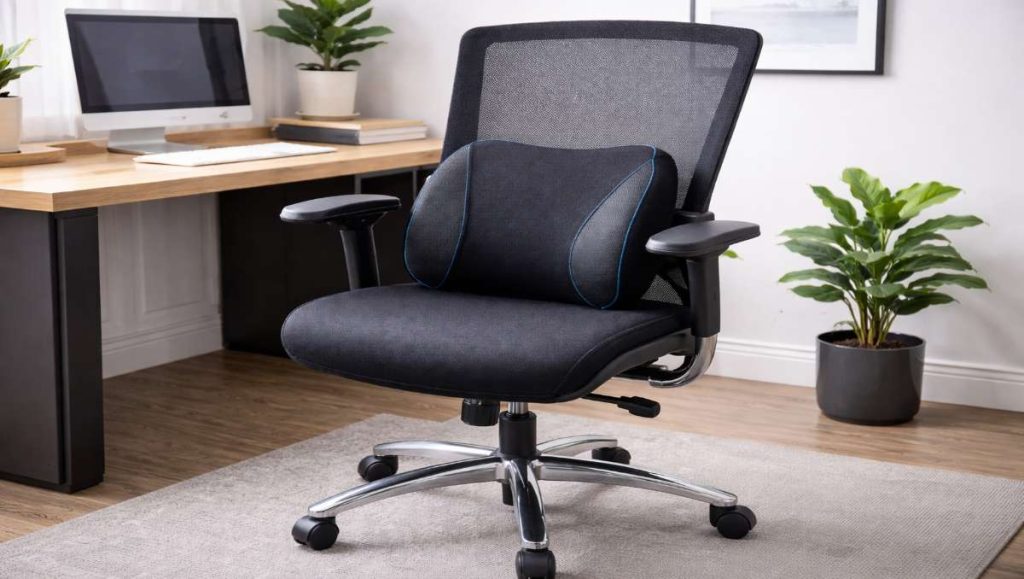
High backrests are particularly beneficial for heavier individuals because they provide full upper body support, including the shoulders and neck. When paired with an adjustable headrest, the chair can help reduce tension in the neck and upper spine, especially during long hours of sitting.
Adjustable Armrests to Reduce Shoulder Strain
Adjustable armrests help keep your arms in a relaxed position, with sturdiness and padding being especially important for heavier users. They come in different types: 2D (height and width), 3D (adds forward/backward movement), and 4D (includes height, width, angle, and depth adjustments).
Durable and Comfortable Materials
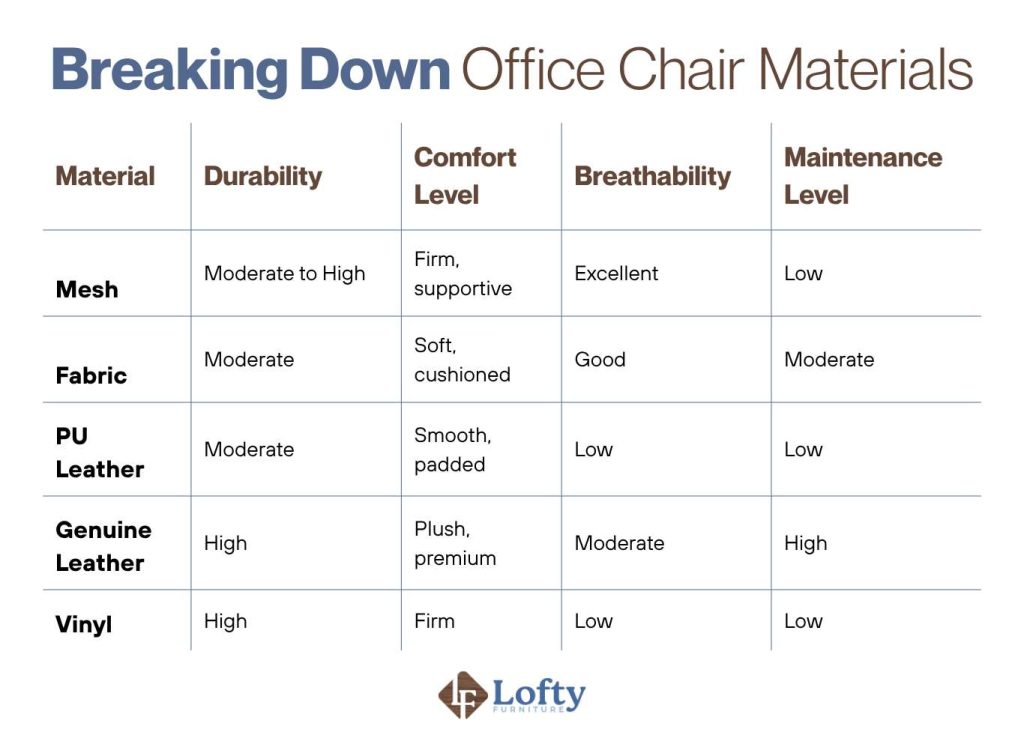
The materials used in a chair play a big role in both comfort and long-term durability. High-density foam cushions are ideal for heavier users because they provide firm support. For reference, high-quality office chairs typically use foam with a density of 45–55 kg/m³, which balances comfort and longevity. Breathable materials like mesh or ventilated fabric also help improve airflow and keep you cooler during long work sessions.
The table below breaks down how each chair material performs in terms of durability, comfort, breathability, and maintenance.
How Ergonomic Design Reduces Pain and Fatigue
Ergonomic design reduce the strain of prolonged sitting by supporting proper body alignment and minimizing stress on muscles and joints. Adjustable lumbar support helps maintain the spine’s natural curve, relieving lower back pain—an effect supported by a 2025 meta-analysis showing significant improvements in discomfort and quality of life. Proper seat adjustments also enhance blood circulation by reducing pressure behind the thighs, preventing numbness and discomfort.
In addition, ergonomic chairs distribute body weight evenly, reducing pressure on the hips and tailbone. Research on seating biomechanics shows that improved support lowers muscle strain in the back and enhances comfort during prolonged sitting. By promoting good posture, ergonomic design decreases fatigue and helps maintain energy and focus throughout the day, ultimately improving both comfort and productivity.
Choosing the Right Office Chair for Your Body Type

Not every chair will fit every person the same way. Here’s how to choose the right office chair for your body type:
1. Check Weight Capacity and Safety Margin: Always start by checking the chair’s rated weight capacity. It is a good idea to choose a chair that exceeds your body weight by a reasonable margin.
2. Match Seat Dimensions to Your Frame: Ideally, there should be a small gap between the edge of the seat and the back of your knees to avoid pressure buildup.
3. Test Adjustability Features: Look for features like adjustable seat height, lumbar support, armrests, and recline tension. These allow you to fine-tune the chair to your body rather than forcing your body to adapt to the chair.
4. Consider Daily Usage Hours: If you spend several hours at your desk, investing in a chair with advanced ergonomic features and higher-quality materials will make a noticeable difference.
Invest in the long-term health of your back and joints by choosing a heavy-duty ergonomic office chair designed specifically to support your frame.
How to Make Your Chair Last Longer

Taking care of your office chair is just as important as choosing the right one. Regular maintenance helps preserve its structural integrity, especially for heavy-duty models that handle greater weight and daily use. Simple habits like tightening screws, checking the base, and ensuring the casters roll smoothly can prevent small issues from turning into costly repairs. Keeping the chair clean also helps maintain both comfort and appearance.
It is also important to pay attention to how the chair is used over time. Avoid exceeding the recommended weight capacity and make sure adjustments are used properly rather than forced. Rotating usage positions, such as reclining occasionally or adjusting seat height, can reduce constant stress on specific parts of the chair. With consistent care and mindful use, a high-quality ergonomic chair can maintain its comfort, support, and durability for many years.
Final Thoughts: Investing in Comfort, Health, and Productivity
Choosing the right office chair for a heavy person is ultimately an investment in more than just seating. A chair that is built with proper weight capacity, reinforced structure, and thoughtful ergonomic features does not just prevent discomfort. It actively improves posture, reduces fatigue, and helps you stay focused without constant adjustments.
The principles of ergonomics play a key role in making this possible. From lumbar support to seat dimensions and material quality, each feature works together to create a more balanced and supportive sitting experience. When you choose a chair that truly fits your body and usage needs, you are creating a workspace that supports your long-term health, comfort, and performance every single day.
Frequently Asked Questions
What weight capacity should I look for in an office chair for heavy people?
It is best to choose a chair that exceeds your body weight by at least 50 to 100 pounds. This safety margin helps ensure durability and prevents premature wear. Many heavy-duty chairs start at 300 pounds and can go up to 500 pounds or more, depending on the build quality.
Is there a weight limit on office chairs?
Yes, most office chairs have a specified weight limit. Standard chairs typically support around 200–250 pounds, while heavy-duty or big and tall office chairs are designed for 300–400 pounds or more. The weight limit is set by the manufacturer based on frame strength, base construction, and caster durability.
How much weight can break a chair?
For standard office chairs, consistently exceeding 250 pounds may stress the frame or gas lift over time, while heavy-duty chairs may fail if weight exceeds 500–600 pounds. Using a chair within its rated capacity ensures safety, stability, and longevity.
Can I upgrade the wheels on a standard chair to make it safer for a heavier weight capacity?
Upgrading to stronger casters can improve stability and protect your flooring, but it does not increase the overall weight capacity of the chair. The frame, base, and internal components determine how much weight the chair can safely support, so it is still important to choose a chair that is designed for heavier use from the start.