
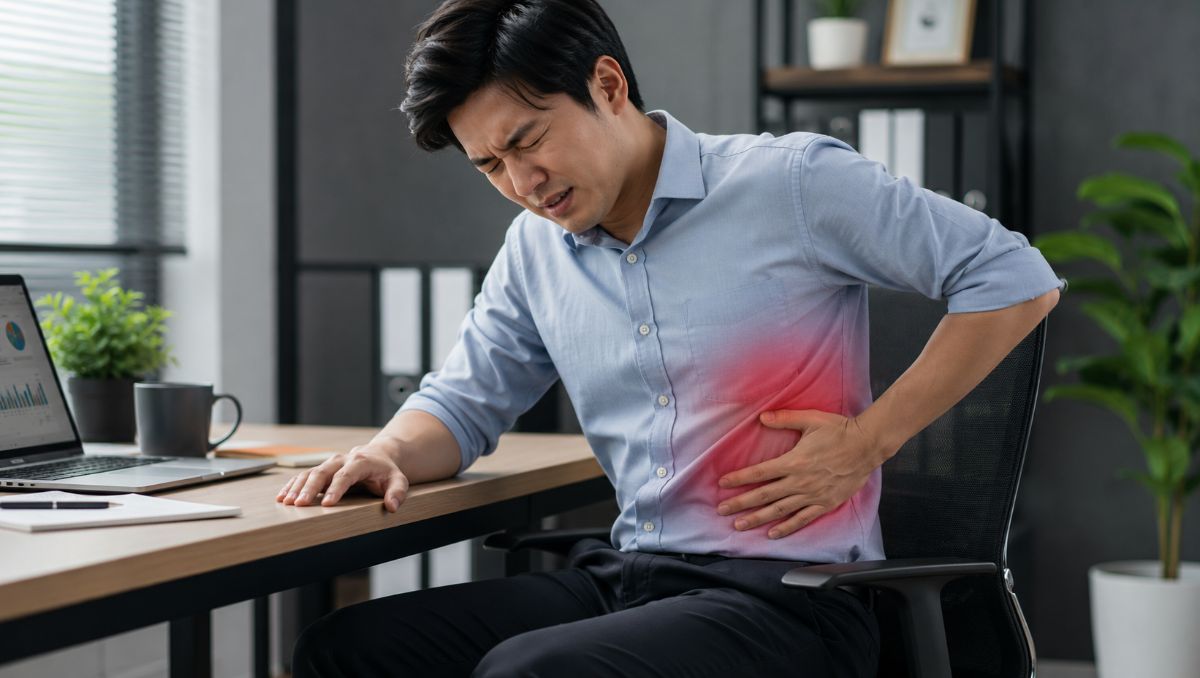
If you’re dealing with rib pain when sitting, you’re not imagining it. In many cases, the discomfort is linked to posture, muscle strain, or poor workspace setup, and small ergonomic changes to how you sit and work can make a surprising difference. Long hours at a desk can place extra stress on the rib cage, upper back, and spine. Sometimes the pain feels like a dull ache under the ribs. Other times it feels sharp, tight, or even like a stitch in your side.
Key Takeaways:
- Rib pain when sitting is usually caused by posture problems, muscle strain, poor ergonomics, or other medical conditions.
- Improving your posture and workstation setup, and taking movement breaks can significantly reduce rib pain.
- Persistent pain and severe symptoms should be evaluated by a healthcare professional.
How Prolonged Sitting Affects Your Rib Cage and Upper Body
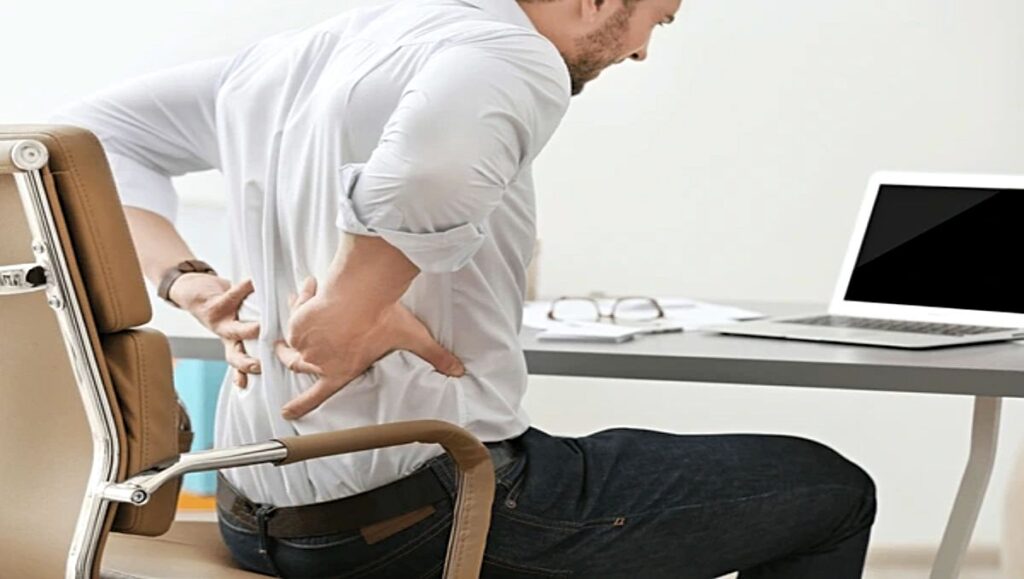
The rib cage works together with your spine, muscles, and connective tissues to support movement and posture. It is directly attached to your thoracic spine through joints and connective tissues. Every time you slouch forward or lean toward a screen, the position of your spine changes and the rib cage follows. This can create tension in the muscles between the ribs and around the shoulders.
Modern life keeps many of us seated for far too long. According to the World Health Organization, adults should reduce prolonged sitting because excessive sedentary behavior is associated with musculoskeletal problems and poorer health outcomes. During long periods of sitting, the chest often collapses inward, the shoulders round forward, and the muscles supporting the upper body become fatigued, increasing strain on the muscles and joints around the rib cage.
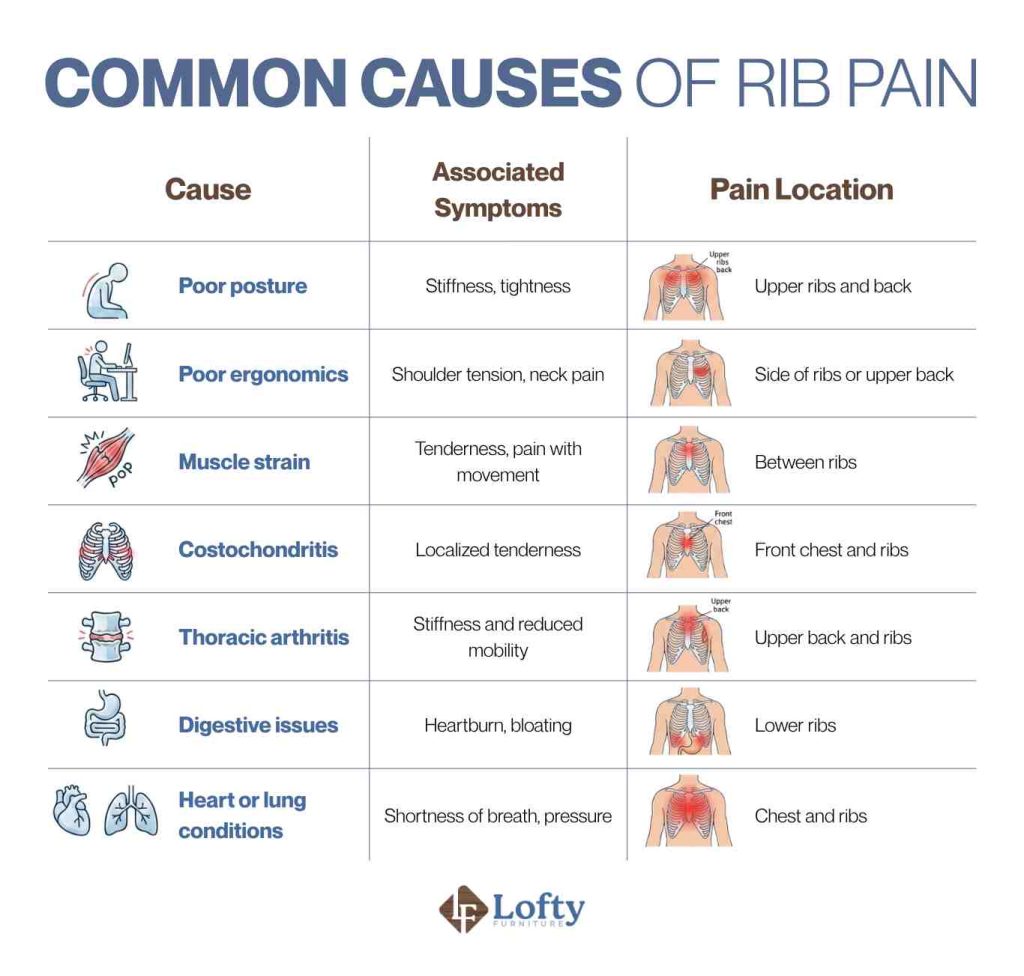
Common Causes of Rib Pain When Sitting
Rib pain doesn’t always come from the same place. Sometimes it’s just how you’re sitting. Other times, it’s a health condition. Knowing the cause is the first step to feeling better.
Poor Sitting Posture
Slouching, leaning to one side, or letting your head drop forward changes how your spine and ribs line up. This forces the muscles and joints around your upper body to work harder, which can lead to soreness and stiffness in the ribs.
According to NY Bone & Joint Specialists, sitting for long stretches, slouching, and looking down at your phone or laptop all put extra strain on your back and ribs. Even small posture changes, held for hours, can limit how well your ribs move and make pain worse.
Poor Office Ergonomics
Your desk setup matters more than you’d think. A monitor that’s too low, a chair with no back support, or armrests that push your shoulders up can all add tension around your ribs. The Occupational Safety and Health Administration says a large share of workplace injuries are tied to poor desk setups.
Muscle and Joint Strain
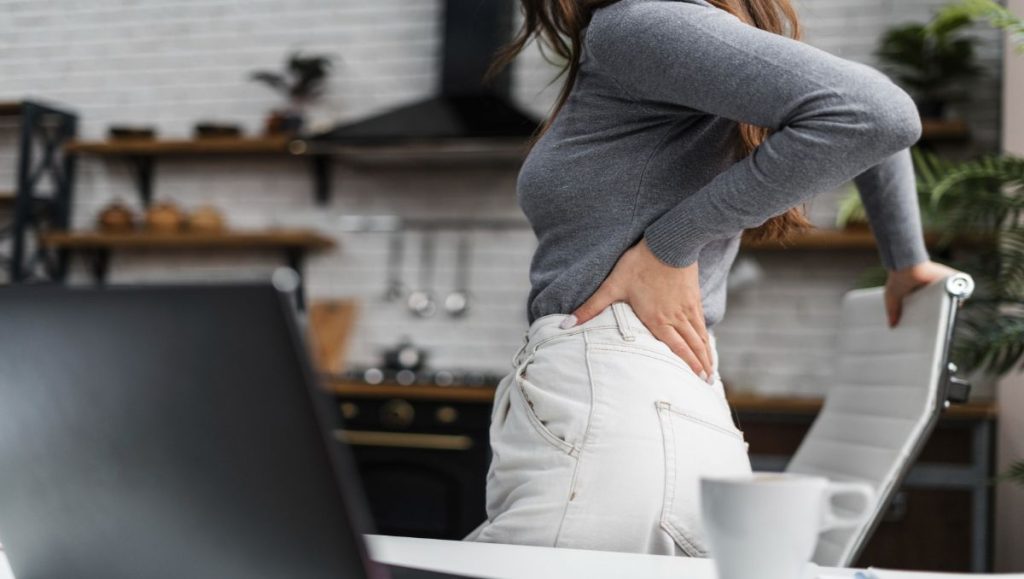
Sitting for hours, or repeating the same motions with your keyboard and mouse, can tire out the muscles around your ribs, back, shoulders, and chest. This leads to soreness, tightness, or sharp pain. Long periods of sitting also stiffen the upper back and the small joints that connect your ribs to your spine. When those joints get stiff, nearby muscles have to pick up the slack, creating a cycle of tension and pain.
Costochondritis
Costochondritis is swelling where the ribs meet the breastbone. It causes sharp or aching pain in the front of the chest, tenderness when you press on the area, and pain that gets worse with deep breaths or certain movements. Regular muscle soreness tends to feel spread out and usually eases with light movement. Costochondritis feels more focused, right near the breastbone. Sitting can make it worse, but it’s rarely the original cause.
Other Underlying Medical Conditions
Posture and muscle strain are the most common reasons for rib pain while sitting, but a few other conditions can also be behind it.
Spine-related: Conditions like arthritis in the upper back, disc problems, and scoliosis can send pain into the ribs. A rarer condition, slipping rib syndrome, happens when a lower rib moves too much and irritates nearby nerves.
Non-spine related: Acid reflux, trapped gas, or gallbladder issues can cause pain under the ribs. In rare cases, heart or lung problems can cause chest or rib pain, especially if it comes with shortness of breath, chest pressure, or fever. Get medical help right away if you notice these signs.
How to Improve Your Workspace to Reduce Rib Pain
The good news is that many cases of rib pain improve with simple adjustments. Your workspace should support your body instead of forcing it into awkward positions all day.
Optimize Your Office Ergonomics
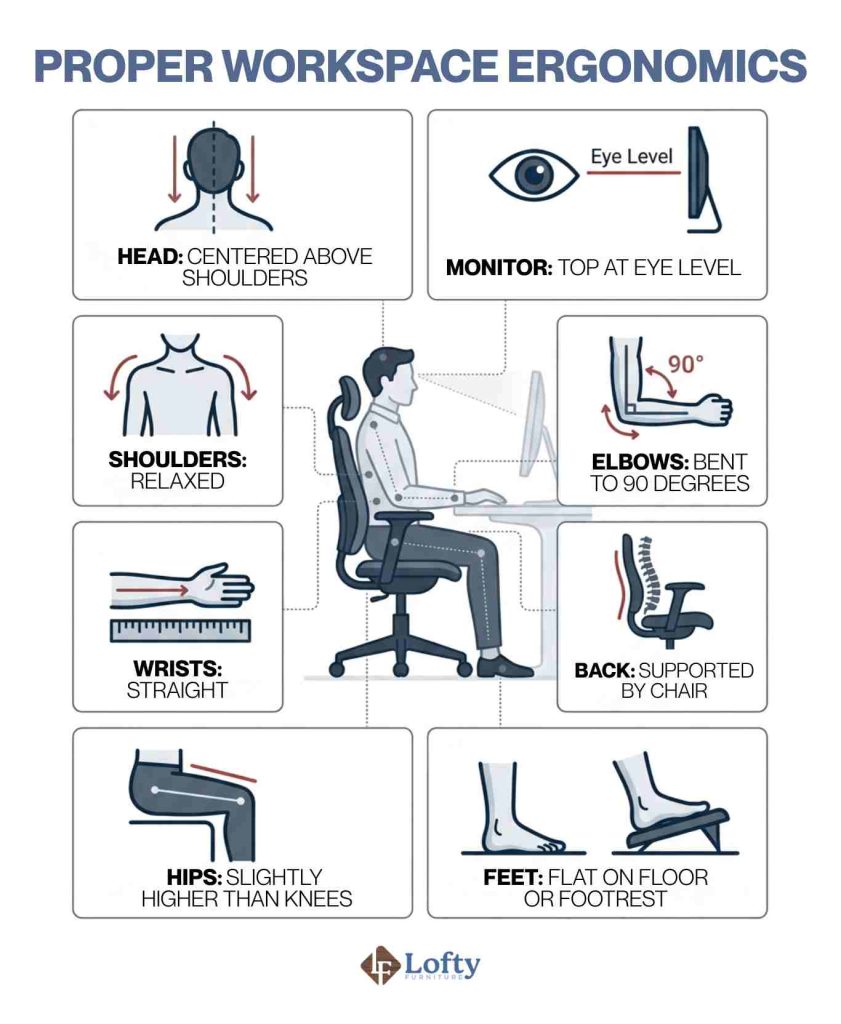
Adjust your ergonomic chair so your feet sit flat on the floor and your knees bend at about 90 degrees. Keep your monitor at eye level. Keep your keyboard and mouse within easy reach. Use back support to keep the natural curve in your lower back. Set armrests so they support your arms without pushing your shoulders up. This cuts down on tension that can spread into your back and ribs.
Build Better Posture and Sitting Habits
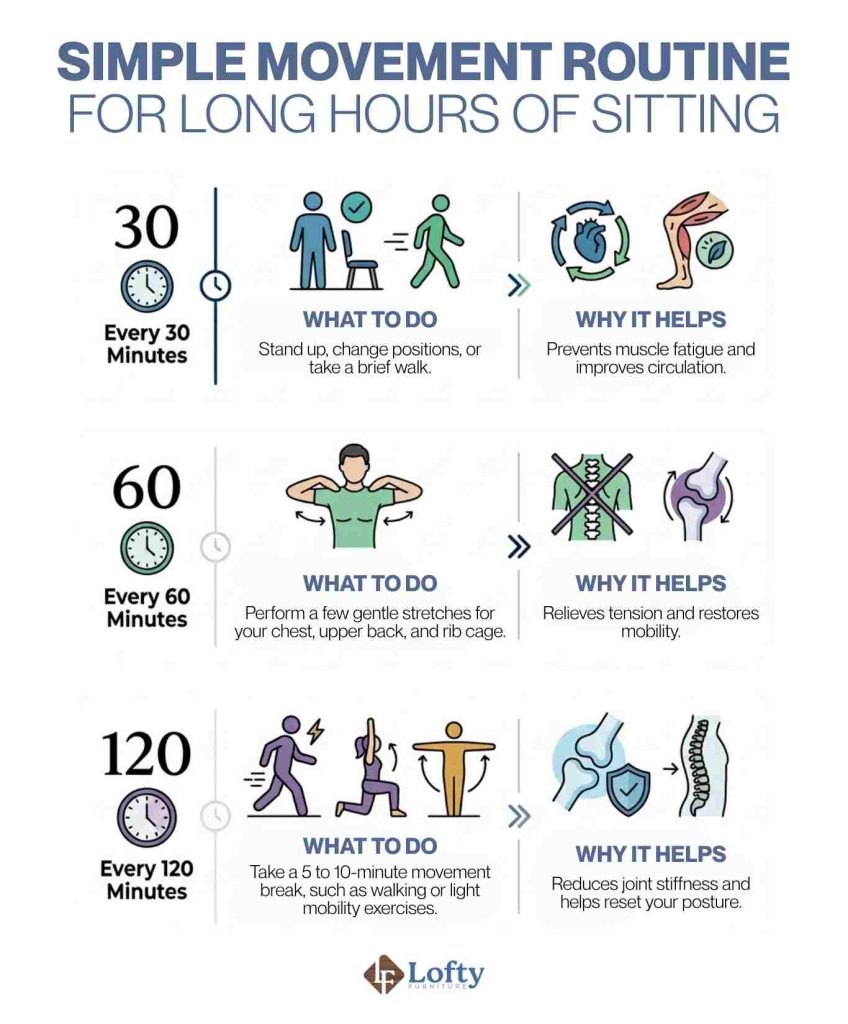
Sit so your ears, shoulders, and hips line up, and avoid leaning to one side. Change position often, take a short movement break every 30 to 60 minutes, and practice slow, deep breathing to keep your ribs moving. These small habits stop soreness before it turns into ongoing pain.
Perform Stretches Throughout the Day
Stretching throughout the day can ease the muscle tension and joint stiffness that develop from prolonged sitting. Gentle movements such as postural exercises, thoracic extensions, side reaches, and cat-cow stretches help improve mobility in the upper back, chest, and rib cage. Pairing these office chair stretches with diaphragmatic breathing can also encourage better rib movement and reduce tightness, especially after long periods at a desk.
Following a simple movement schedule helps prevent stiffness, improves circulation, and reduces the strain that builds up over the course of the day. Here’s a quick guide:
Create Lifestyle Habits That Support Rib and Spine Health
Healthy daily habits can go a long way toward preventing recurring rib pain, especially if you spend most of your day sitting. Along with an ergonomic workspace and regular movement, these simple practices help keep your ribs, spine, and supporting muscles strong and flexible.
- Stay physically active. Regular walking, swimming, strength training, or other low-impact exercise helps keep the spine, ribs, and surrounding muscles mobile while reducing stiffness from prolonged sitting.
- Strengthen your core and upper back. A strong core and stable shoulder muscles help support proper spinal alignment, taking pressure off the rib joints and intercostal muscles.
- Improve thoracic mobility. Gentle stretches and mobility exercises for the upper back and chest help the rib cage move more freely during breathing and everyday activities.
- Practice deep breathing. Slow diaphragmatic breathing encourages healthy rib cage expansion, helps maintain chest wall mobility, and can relieve tightness in the intercostal muscles.
- Stay hydrated. Proper hydration supports healthy muscles, connective tissues, and spinal discs, which all contribute to comfortable movement.
When Should You See a Healthcare Professional?
Most rib pain caused by prolonged sitting improves with proper posture, ergonomic adjustments, and regular movement. However, seek medical attention if you experience chest pressure, difficulty breathing, fever, severe pain after an injury, unexplained weight loss, pain that wakes you from sleep, or symptoms that continue to worsen. If rib pain persists for several weeks, a healthcare professional can evaluate underlying conditions and recommend appropriate treatment, such as physical therapy, medication, or diagnostic imaging.
The Bottom Line on Rib Pain and Sitting
The connection between prolonged sitting, posture, and rib pain is stronger than many people realize. Spending hours in a slouched position can strain the muscles and joints that support your rib cage and upper body.
The most common causes of rib pain when sitting include poor posture, poor office ergonomics, muscle strain, and occasionally conditions such as costochondritis or arthritis. The good news is that improving your workspace, moving more often, and building healthier sitting habits can significantly reduce discomfort and help prevent it from coming back.
Frequently Asked Questions
Why are my ribs hurting when I sit?
Rib pain while sitting is often caused by poor posture, prolonged sitting, or an improperly adjusted workstation. Less commonly, conditions such as costochondritis, arthritis, or digestive issues may also contribute to rib discomfort.
How do I know if rib pain is muscular?
Muscular rib pain is usually tender to the touch and tends to worsen with certain movements. It often develops after prolonged sitting, physical activity, or repetitive motions and may improve with rest. If the pain is severe, it’s important to seek medical evaluation.
When should I worry about rib cage pain?
Seek medical attention if the rib pain is severe, follows a fall or injury, lasts for several days without improving, or occurs with symptoms such as chest pressure, shortness of breath, dizziness, fever, or pain that spreads to your arm, jaw, or back. These symptoms may indicate a more serious condition that requires prompt evaluation.
Does sitting cause rib flare?
Prolonged sitting doesn’t directly cause rib flare, but poor posture can make it more noticeable. Slouching, leaning forward, or sitting with rounded shoulders changes the position of the rib cage and pelvis, which may cause the lower ribs to appear more prominent.